

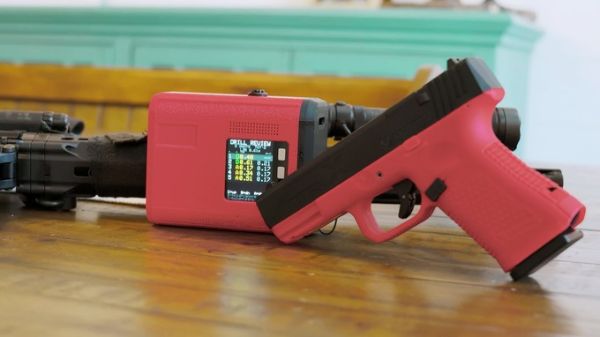
The firearms industry’s mid-year snapshot for 2026 shows a market that has quietly recalibrated rather than retreated, with consumer demand shifting toward optics-ready pistols, suppressor-ready rifles, and modular chassis systems that let owners stay inside ever-changing state rules without surrendering capability. What stands out is how manufacturers have leaned into “compliance-first” engineering—thumbhole stocks, pinned muzzle devices, and featureless grips—turning what used to be aftermarket workarounds into factory-standard SKUs that still deliver the ergonomics shooters expect. That pivot isn’t just good business; it’s a tacit admission that the regulatory patchwork is the new normal and that companies willing to design around it will keep shelf space in states that once looked like lost causes.
For the 2A community the real story isn’t the numbers themselves but the precedent they set: every compliant SKU that sells well becomes evidence that lawful gun owners adapt faster than legislators can draft restrictions, undercutting the narrative that new rules will produce measurable public-safety gains. At the same time, the data quietly validates the long-game strategy of litigation and legislation working in tandem; states that rolled back magazine bans or permit requirements are already seeing measurable upticks in both sales and training-class attendance, proof that removing friction increases participation rather than risk. The takeaway for advocates is straightforward—keep the legal pressure on unconstitutional edicts while the industry keeps the hardware pipeline open, because the mid-year numbers prove that an armed, informed populace is still the most effective check on incremental disarmament.


