

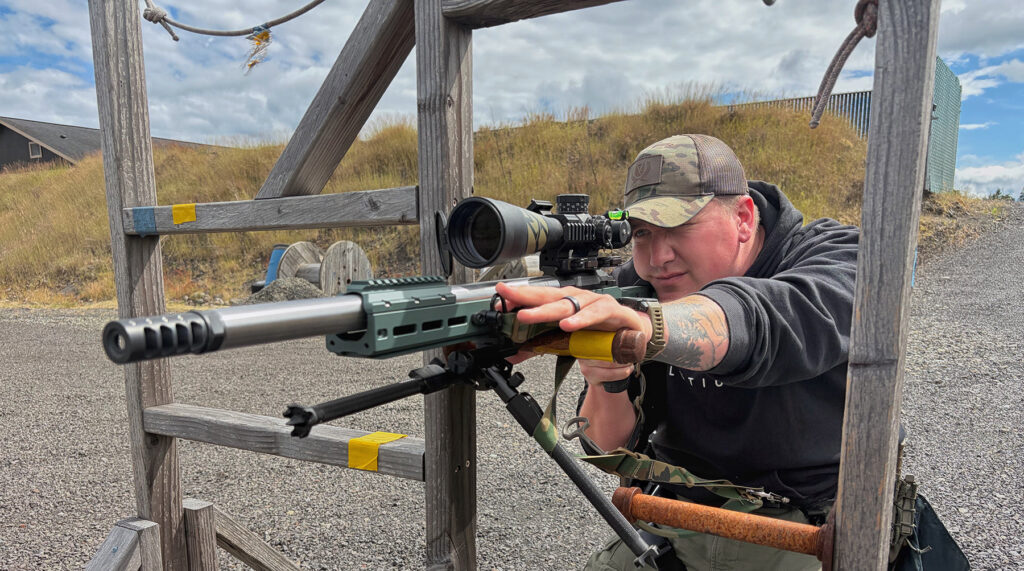
The rifle sling’s quiet resurgence in modern marksmanship is more than a nod to tradition; it is a direct rebuke to the notion that only high-dollar tripods and bipods can deliver precision. By turning the shooter’s own skeleton into a stable platform, the sling restores a level of self-reliance that the Second Amendment was written to protect—marksmanship that does not depend on a gear list or a flat range. When a hunter or a citizen defender can tighten a two-point sling and lock the rifle into bone-on-bone tension, they carry the same capability that once let citizen-soldiers outshoot professional armies; that continuity matters when legislation increasingly targets “accessories” while leaving the fundamental right untouched.
Equally important is the sling’s role as a force multiplier for those who train under realistic constraints. Military and law-enforcement snipers still reach for it when tripods are impractical, and the same technique translates directly to the armed citizen who may need to engage from a kneeling position behind a vehicle or a hasty barricade. The learning curve is steep, but the payoff is independence: a shooter who masters sling tension also internalizes natural point of aim, follow-through, and positional discipline—skills that survive when batteries die or gear is lost. In an era when some states attempt to criminalize standard-capacity magazines or threaded barrels, the ability to extract maximum accuracy from a basic rifle and a simple strap becomes both a practical and a political statement.
Ultimately, the sling reminds the 2A community that rights are exercised, not merely possessed. Every repetition of loop-sling tension or hasty-hitch practice is an affirmation that marksmanship is a living skill set, not a catalog item. As precision competitions drift toward gadget-heavy stages, the shooters who keep the old techniques alive ensure that the next generation of gun owners can still deliver accurate fire when the only support available is the one they bring with them—their training, their body, and the timeless utility of a well-used sling.


