

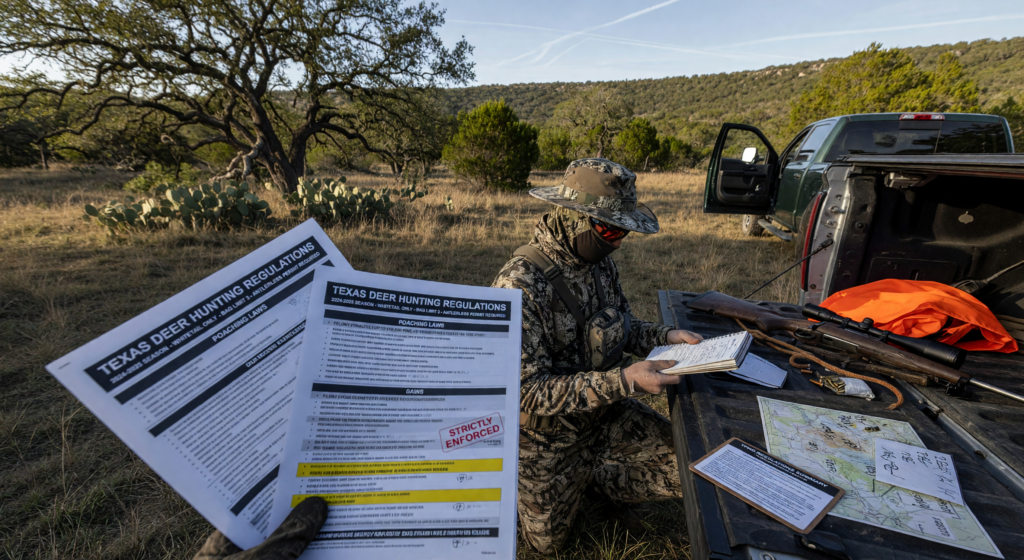
Texas deer hunting regulations for the 2025-2026 season serve as a textbook example of how layered permitting, antler-point restrictions, and strict bag limits can turn an otherwise straightforward outdoor pursuit into a regulatory minefield that demands constant vigilance. When the state layers mandatory hunter education, specific weapon restrictions, and real-time reporting requirements on top of already narrow season windows, the practical effect is that law-abiding hunters must treat every outing like a compliance audit rather than a simple heritage activity. Recent high-profile poaching prosecutions reveal that Texas game wardens are leveraging everything from trail-camera forensics to social-media metadata to close cases, sending a clear signal that even minor paperwork lapses can snowball into felony-level exposure.
For the 2A community the stakes extend beyond deer tags: each new layer of wildlife enforcement normalizes the idea that the government can track, log, and penalize the everyday exercise of a constitutional right simply because it involves a firearm in the field. When penalties escalate from license suspensions to felony convictions carrying prison time and lifetime loss of gun rights, hunters effectively become test subjects for how far administrative rules can be weaponized against lawful ownership and use. The lesson is straightforward—support for wildlife conservation must never become a blank check for expanding the surveillance state or eroding due-process protections that gun owners rely on in every other context.


