

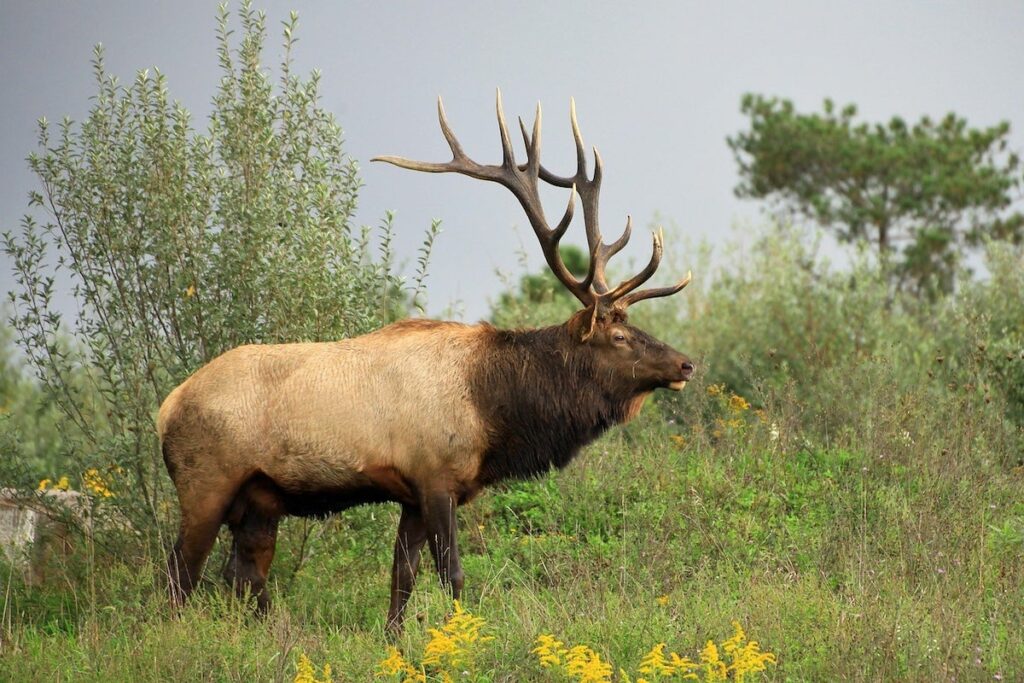
North Carolina’s decision to green-light its first modern elk season in 2027 is more than a wildlife-management milestone—it’s a textbook example of how healthy game populations and a robust hunting culture reinforce each other. After two centuries without elk, the state’s reintroduction program has produced a herd large enough to sustain a limited harvest, proving that when conservation dollars and hunter participation work in tandem, species recovery can be measured in seasons rather than decades. The fact that Governor Josh Stein signed House Bill 747 with bipartisan support underscores a growing recognition that regulated hunting is the most practical tool for keeping expanding herds in balance with habitat and human neighbors.
For the 2A community, the news is a quiet but powerful affirmation that the right to keep and bear arms extends beyond the gun safe and into the field. Every new hunting season is another data point showing that firearms in the hands of trained, licensed citizens are instruments of stewardship, not merely self-defense. As North Carolina’s elk tags go on sale, expect the usual coalition of hunters, wildlife biologists, and rural landowners to defend the program against the predictable legal challenges from groups that view any harvest as an affront. Their success or failure will serve as a bellwether for how state wildlife agencies nationwide navigate the intersection of sound science and shifting political winds.
Beyond the policy implications, the 2027 season offers a tangible reminder that the Second Amendment’s protections are most secure when they are exercised. Each hunter who applies for a tag, each guide who books an out-of-state client, and each sporting-goods retailer who stocks the appropriate optics and ammunition is participating in a living tradition that keeps both the right and the resource viable. North Carolina’s elk hunt may be new, but the principle it embodies is as old as the American frontier: the surest way to preserve a species—and the freedoms that allow us to interact with it—is to remain actively engaged with it.


