

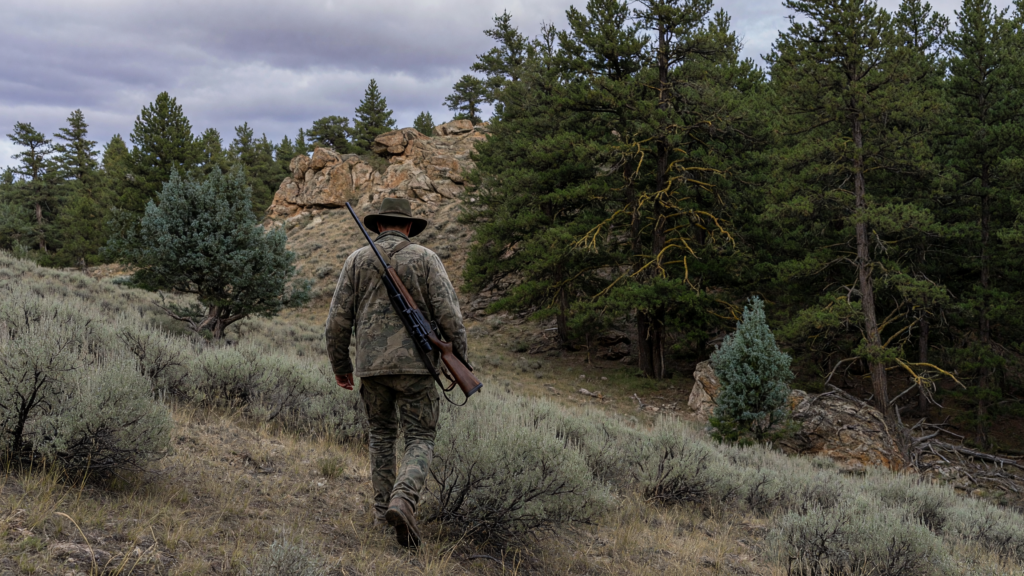
Montana’s latest poaching bust isn’t just another headline about a big buck taken out of season—it’s a textbook reminder that the same state agencies empowered to protect wildlife can just as easily turn their sights on law-abiding hunters if the political winds shift. The nontypical mule deer in question wasn’t some mythical Boone & Crockett giant poached from a national park; it was a mature animal taken by a resident who decided the rules didn’t apply to him, and the resulting felony conviction, lifetime hunting ban, and stiff financial penalties show how quickly “aggressive enforcement” can strip a citizen of his Second Amendment–adjacent rights to keep and bear arms for hunting. When game wardens boast about “cracking down,” the 2A community should ask whether those same tools—trail cameras, cell-phone tracking, aerial surveillance—are being calibrated to catch actual criminals or simply to generate revenue and political points from otherwise lawful gun owners who might one day find their own property or hunting leases under the microscope.
The ripple effects extend beyond Montana’s borders. Every time a high-profile poaching case is used to justify expanded funding, new technology grants, or broader regulatory authority, the infrastructure for monitoring hunters grows more sophisticated and less accountable. That infrastructure doesn’t magically disappear when the next legislative session considers magazine limits, permit-to-purchase schemes, or “red flag” laws aimed at firearms owners; the same databases, drone fleets, and inter-agency data-sharing agreements can be repurposed with the stroke of a pen. Honest sportsmen who cheered this conviction may soon discover that the precedent they helped create makes it easier for future administrations to treat every gun owner like a potential violator until proven otherwise.
Ultimately, the Montana case underscores a core tension inside the firearms community: support for strong wildlife law enforcement is not the same as endorsing a surveillance state that views hunters and shooters as revenue streams or political targets. The Second Amendment doesn’t end at the edge of a game-management unit, and neither should our skepticism toward any government power that can be turned against the very people it claims to serve.


