

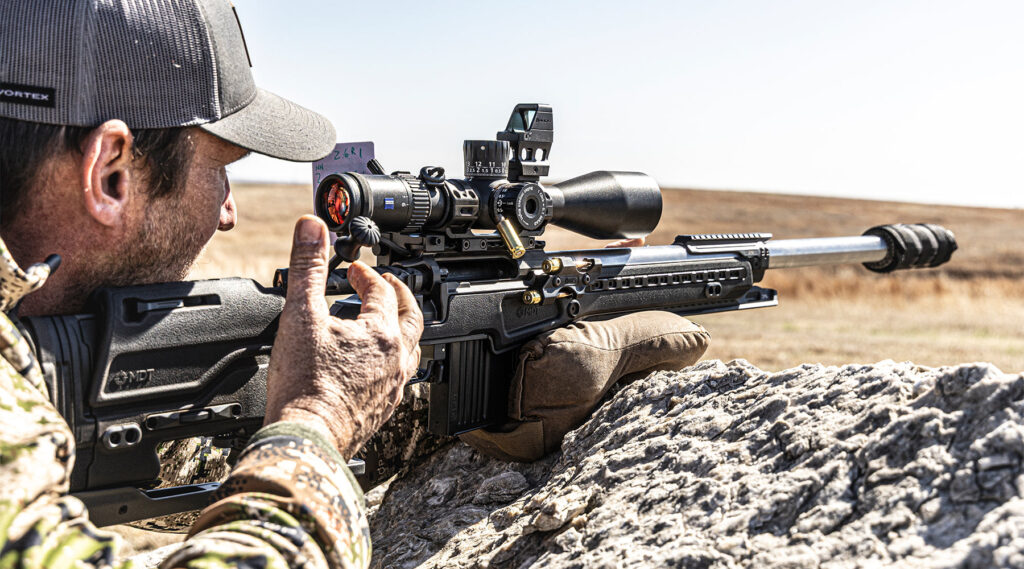
MidwestPlinkster’s deep-dive into the MDT JAE G5 isn’t just another gear review—it’s a timely reminder that the hybrid chassis market has matured to the point where shooters no longer have to choose between the adjustability of a chassis and the classic lines of a traditional stock. By pairing an aluminum backbone with interchangeable hardwood or composite forends, the G5 lets precision-rifle enthusiasts keep the customization they’ve come to expect from modern rigs while still satisfying states that impose restrictions on “feature-heavy” firearms. That matters more than ever as several Midwest legislatures eye new configurations that could re-classify certain adjustable stocks or pistol grips; a platform that threads the needle between performance and compliance suddenly becomes a strategic asset rather than a niche toy.
What stands out in the footage is how the G5’s modularity translates to real-world training consistency—the same attribute MidwestPlinkster admits he neglects yet knows is decisive on match day. The ability to swap length-of-pull spacers or cheek-riser heights in minutes means a shooter can maintain identical ergonomics across rifles chambered in .223, 6.5 Creedmoor, or even 300 PRC without buying three separate stocks. For the 2A community, that kind of cross-platform repeatability isn’t merely convenient; it’s a quiet force-multiplier for marksmanship programs at local clubs and Appleseed events where instructors want new shooters to focus on fundamentals rather than wrestling with unfamiliar furniture every time they step to the line.
Beyond the bench, the G5’s existence signals that manufacturers are listening to end-users who refuse to trade heritage aesthetics for function. In an era when anti-2A voices frame any adjustable or modular component as “military-style,” products like this demonstrate that American ingenuity can satisfy both performance demands and cultural expectations. The result is a stock that doesn’t just look at home in a walnut-stocked legacy rifle case; it also carries the legal and practical flexibility the community needs to keep training, competing, and exercising its rights without unnecessary compromise.


