

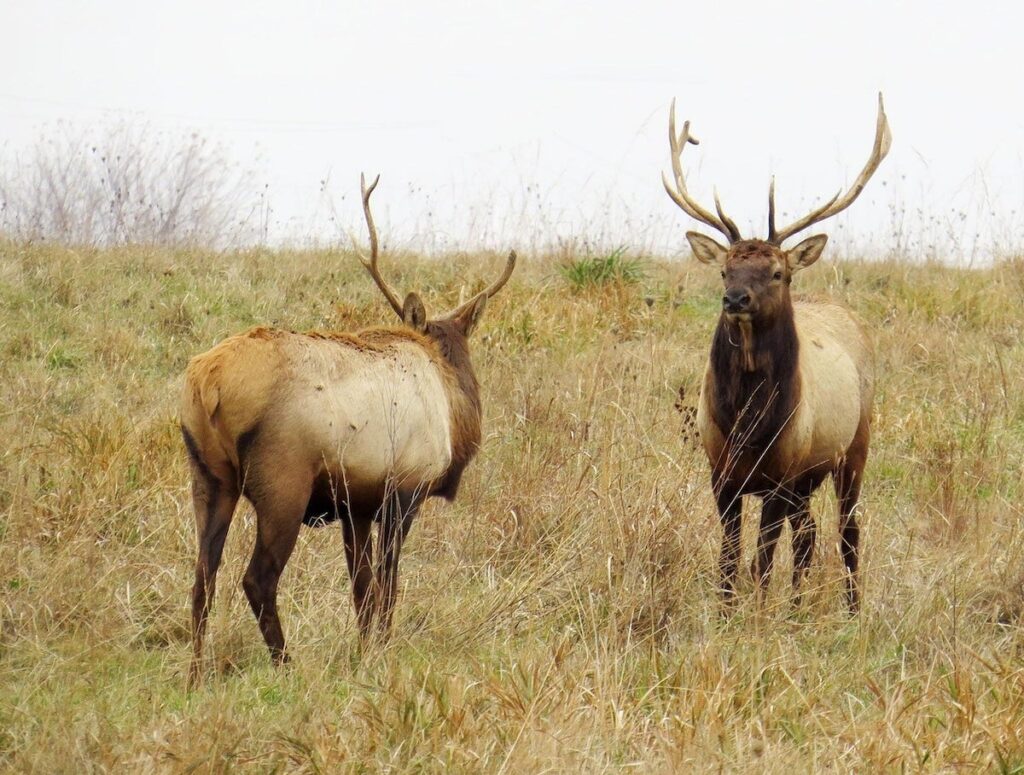
Michigan’s Department of Natural Resources just dropped a curveball on elk hunters: fewer tags and shuffled season dates for 2026, signaling a tighter grip on one of the state’s fastest-recovering big game populations. With elk numbers rebounding from near-extinction levels—now hovering around 1,200 strong after decades of reintroduction efforts—the DNR is slashing antlerless tags from 408 in 2025 to just 299 next year, while pushing the season opener back to September 20 and extending it through November. This isn’t random bureaucracy; it’s a calculated move to balance herd growth with habitat pressures, private land access issues, and poaching threats in the northern Lower Peninsula. Hunters who shelled out $1,000+ for those coveted bull tags (only 192 available annually via lottery) will feel the pinch, but the real story is how this underscores the razor-thin line between conservation success and overregulation.
For the 2A community, this tweak hits close to home because elk hunting isn’t just about trophies—it’s a frontline exercise in self-reliant stewardship that thrives on armed citizens managing wildlife. Picture this: law-abiding gun owners trekking public lands with bolt-actions and lever guns, ethically harvesting to prevent overpopulation that could devastate crops and forests. Fewer tags mean intensified competition, potentially driving more hunters toward private leases or out-of-state hunts, which bolsters the case for expanded public access and fewer barriers to carrying in the backcountry. It’s a reminder that anti-gun zealots who push gun-free zones ignore how 2A rights fuel responsible hunting cultures—Michigan’s elk boom is proof positive. If regs keep tightening without hunter input, we could see pushback via public comment periods or even legislative tweaks, rallying sportsmen to defend their slice of the Second Amendment pie.
The implications ripple wider: as urban sprawl encroaches and eco-activists lobby for hands-off wildlife policies, these changes test whether Michigan prioritizes hunters—who fund conservation through Pittman-Robertson dollars from excise taxes on ammo and firearms—or bows to no-harvest sentiments. Pro-2A folks should watch closely; this could foreshadow similar squeezes on deer or bear seasons, making it prime time to engage DNR meetings, support hunter PACs, and remind lawmakers that fewer tags today mean frustrated patriots tomorrow. Gear up, apply early, and let’s keep the elk hunts ringing with righteous rifle reports.


