

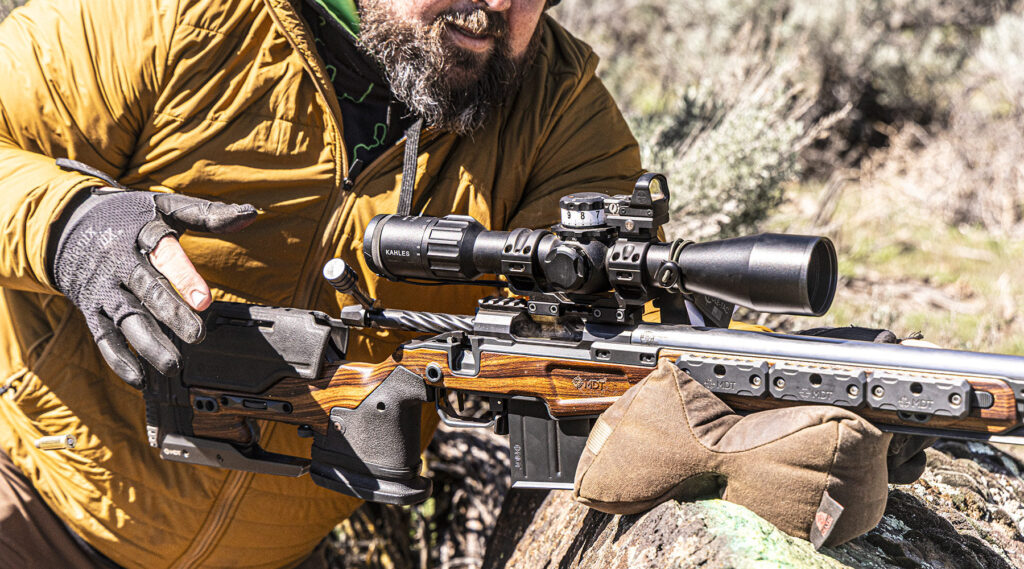
MDT’s acquisition of Lone Peak Arms is more than a corporate merger—it’s a strategic consolidation that gives the precision-rifle community a single source for chassis, actions, and accessories that have already proven themselves on podiums and in backcountry hunts. The Razor, Fuzion, and Fuzion Ti now sit on the same spec sheet, yet each occupies a distinct niche: the Razor lowers the barrier to entry without sacrificing the 75-degree throw or integral recoil lug that serious shooters demand, the Fuzion adds left-hand options and multiple bolt faces for PRS competitors who log thousands of rounds, and the titanium Fuzion Ti shaves nearly a pound off the action weight for hunters who count ounces the way reloaders count grains. By keeping the Remington 700 footprint across the line, MDT ensures that every existing stock, trigger, and pre-fit barrel remains compatible, effectively future-proofing the aftermarket ecosystem that has grown around the 700 footprint for decades.
For the 2A community, the real story is access. Lone Peak actions were once boutique items with long wait times; MDT’s manufacturing muscle and distribution network should compress those lead times while preserving the tolerances that made the brand legendary. That matters because every new shooter who can afford a $1,199 Razor instead of piecing together a used custom action is another voice at the range, another data point in the endless debate over what “precision” really costs. At the same time, the titanium option signals that MDT understands the backcountry hunter’s calculus: weight saved on the action is weight that can stay in the pack as water or ammunition, extending the effective range of a self-supported outing in states where overlanding is the only legal path to public-land game.
Ultimately, the lineup reinforces a quiet truth about the modern rifle industry—vertical integration isn’t just about margins; it’s about control of quality at every interface from trigger pin to optic rail. When one company owns the action, the chassis, and the mounting solution, the end user inherits tighter tolerances and fewer variables between the firing pin and the target. That reliability translates directly into confidence, whether the next shot is at a steel plate in a PRS match or at an elk across a Montana drainage. In an era when regulatory pressure on semiautomatics continues to mount, the ability to build, maintain, and trust a bolt-action platform from a single domestic supply chain is both a practical advantage and a quiet act of resilience.


