

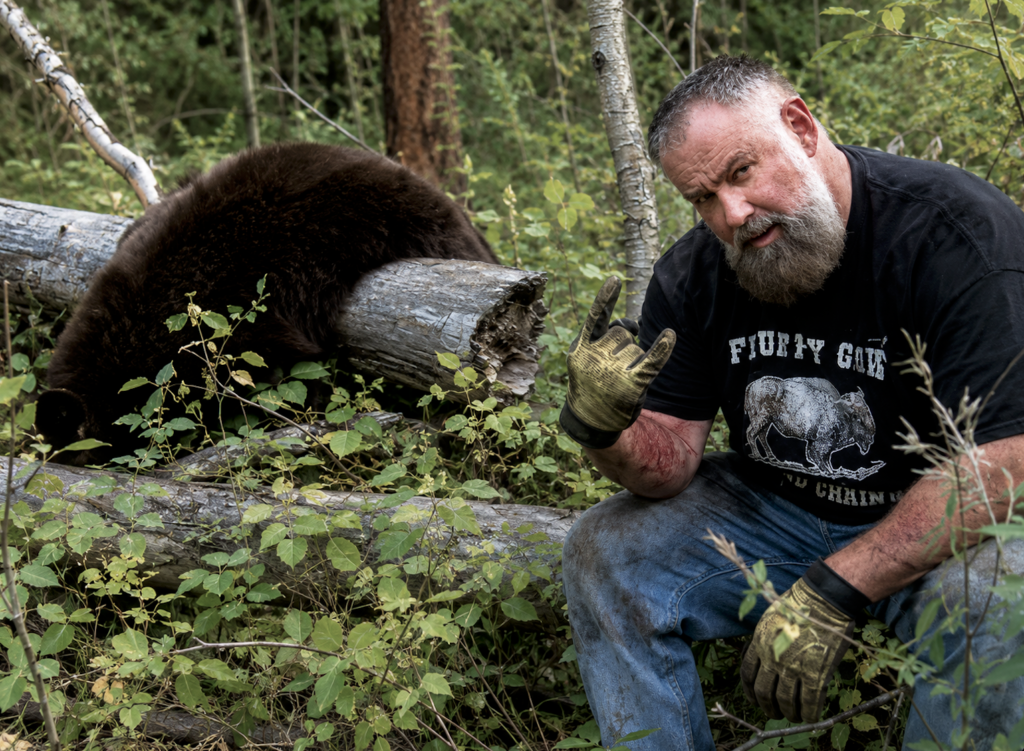
The case of Joelseph Jenkins is a textbook example of how one bad actor can hand anti-hunting activists and regulatory agencies the ammunition they crave. By running an unlicensed guiding service that netted more than $55,000 while facilitating illegal harvests of black bear and elk, Jenkins didn’t merely break Idaho’s outfitter laws—he gave state wildlife managers a high-profile justification to tighten already stringent licensing, reporting, and tagging requirements. When the next legislative session convenes, expect proposals for higher guide-bond amounts, mandatory GPS tracking of clients, and even “pre-authorization” apps that could eventually migrate to everyday hunters who simply want to share a ridge with a buddy. The 2A community should treat this as a cautionary tale: every time a scofflaw monetizes wildlife, the compliance burden creeps outward until lawful gun owners and ethical hunters feel the squeeze.
Equally troubling is the permanent revocation of Jenkins’ hunting privileges. While the sentence is legally sound, it sets a precedent that treats hunting as a revocable privilege rather than a constitutionally protected means of food acquisition and wildlife management. If prosecutors can leverage guiding statutes to strip an individual of the right to hunt for life, the same logic could be applied to paperwork errors, missed reporting deadlines, or even social-media posts deemed “unethical.” Firearm owners who also hunt need to recognize that hunting rights and Second Amendment rights are two sides of the same coin; an erosion of one inevitably pressures the other.
The takeaway is straightforward: self-policing within the hunting and firearms communities is no longer optional. Outfitters, guides, and private landowners must proactively support sting operations against illegal operations, push for harsher financial penalties that actually deter rather than merely inconvenience, and loudly distinguish their law-abiding businesses from the underground economy Jenkins exploited. Failure to do so invites a regulatory regime in which every hunt is tracked, every rifle registered to a GPS waypoint, and every hunter presumed guilty until an app says otherwise.


