

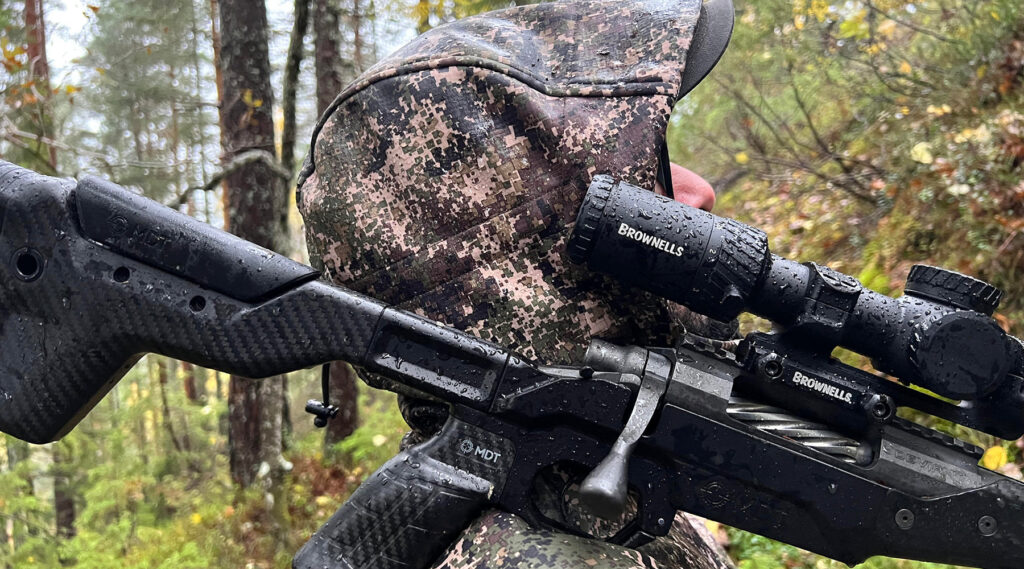
From the thick, thorny brush of South Texas to the rolling forests of Europe, the 9.3×62 Mauser has quietly become one of the most versatile big-game cartridges still in production, and this builder’s story shows exactly why it refuses to fade into obsolescence. The cartridge’s moderate recoil, deep-penetrating 286-grain bullets, and ability to cycle reliably through standard-length actions give it an edge in dense cover where follow-up shots must be fast and decisive—advantages that matter as much to a South Texas hunter dodging javelina and whitetail as they do to a European forester managing wild boar. By starting with a South Texas–proven platform and refining it for continental game laws and terrain, the builder demonstrates how American gunsmithing ingenuity keeps classic European designs alive and relevant rather than letting them gather dust in museum cases.
For the 2A community this project is more than a custom rifle; it is living proof that individual craftsmanship and private ownership still drive innovation even as regulatory pressure mounts on both sides of the Atlantic. When a shooter can take a century-old cartridge, mate it to a modern action, and produce a brush gun that outperforms many factory offerings, the result undercuts the narrative that only government-approved or mass-market firearms are “practical.” It also underscores the cultural bridge the Second Amendment helps maintain: American citizens freely experimenting with European calibers and then exporting that refined knowledge back across the ocean keeps both traditions sharp. In an era of import restrictions, magazine bans, and ever-tightening definitions of “sporting purpose,” stories like this remind us that the right to keep and bear arms includes the right to tinker, improve, and carry forward designs that politicians and bureaucrats would prefer to see retired.


