

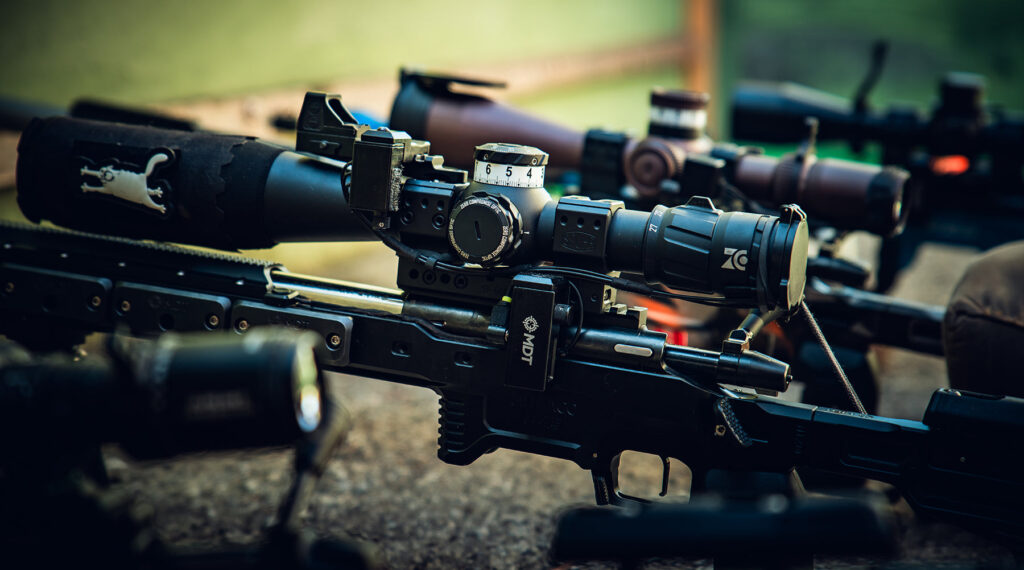
The divide between The Minimalist and The Prepared at the rifle range isn’t just about gear—it’s a snapshot of how seriously shooters treat their Second Amendment rights in practice. The Minimalist shows up with a rifle, a box of ammo, and little else, banking on the range to supply everything else; The Prepared arrives with a checklist mindset, treating every range trip like a rehearsal for real-world self-reliance. That contrast matters because the right to keep and bear arms loses practical value if the only person who can exercise it is the one who remembered to bring targets, staple gun, and a first-aid kit. When a shooter forgets something basic, the session ends early; when the range itself runs out of loaner gear, the day is over for everyone who didn’t plan ahead. The Prepared shooter isn’t showing off—they’re modeling the quiet competence that keeps ranges open, insurance rates manageable, and the broader gun culture credible to outsiders who still claim “nobody needs” more than a single firearm and a smile.
Those overlooked items the article flags—extra staples, a roll of tape, a compact tool kit, a notepad for zero data, and a basic trauma kit—aren’t luxuries; they’re the difference between a productive training day and an expensive lesson in Murphy’s Law. In an era when anti-2A voices scrutinize every range incident for proof of recklessness, the shooter who can patch a minor cut, secure a loose target, or jot down group sizes without borrowing from strangers is quietly winning the public-relations battle. More importantly, that same mindset scales: the discipline that packs a tourniquet also tends to keep serial numbers recorded, safe-storage habits consistent, and range rules followed without argument. The Minimalist may enjoy the simplicity, but the Prepared shooter is the one whose habits protect access for the rest of the community when regulators come looking for excuses to tighten the rules.


