

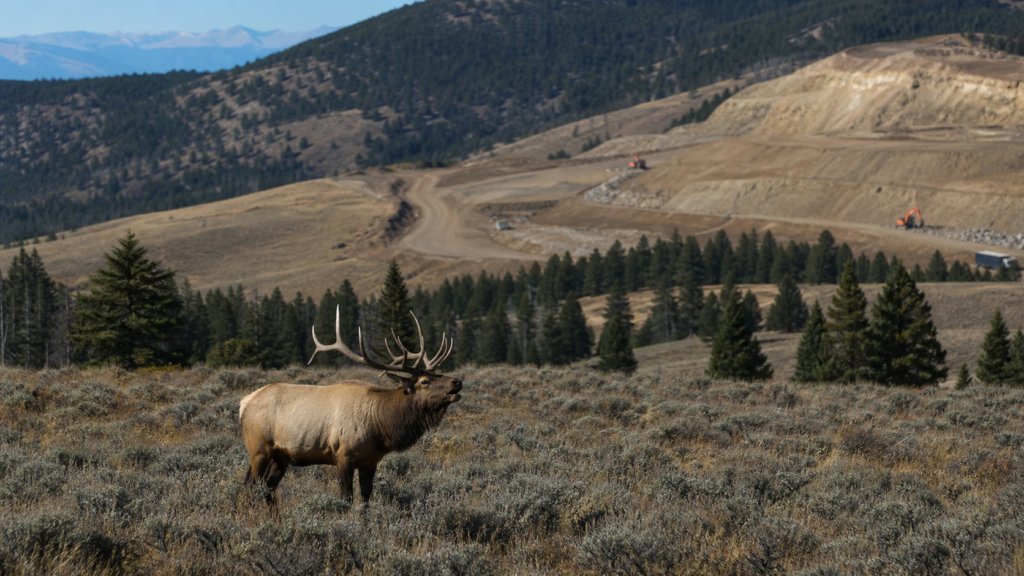
Federal land management decisions are quietly reshaping elk country from Montana to New Mexico, and the ripple effects reach far beyond wildlife biologists. When agencies prioritize restrictive access rules, expanded wilderness designations, and climate-driven “restoration” projects that limit motorized use and traditional hunting corridors, they shrink the practical footprint where sportsmen can pursue game on public ground. The result is concentrated pressure on fewer acres, higher tag competition, and a slow erosion of the self-reliant, multi-use ethic that has long defined Western hunting culture.
For the Second Amendment community the stakes are straightforward: every lost trailhead or gated road is another incremental barrier between citizens and the land they own. Reduced access doesn’t just inconvenience elk hunters; it undercuts the very activities—harvesting one’s own protein, maintaining proficiency with firearms in the field, and passing those skills to the next generation—that keep the right to keep and bear arms culturally relevant and politically defensible. When federal policy squeezes the places where lawful carry and responsible use are practiced most visibly, it hands anti-gun advocates a narrative that firearms are unnecessary because the “outdoors lifestyle” is being managed out of existence.
The warning from hunters should therefore be read as an early indicator for broader access fights. If sportsmen allow elk habitat to be ring-fenced by bureaucracy today, tomorrow’s restrictions on dispersed camping, target shooting, and even concealed carry on BLM and Forest Service ground become easier to justify. Staying engaged in land-use planning, pushing for multiple-use mandates, and reminding policymakers that healthy wildlife populations and armed, self-sufficient citizens are not competing interests but mutually reinforcing ones is the only way to keep both the elk and the constitutional right to pursue them intact.


