

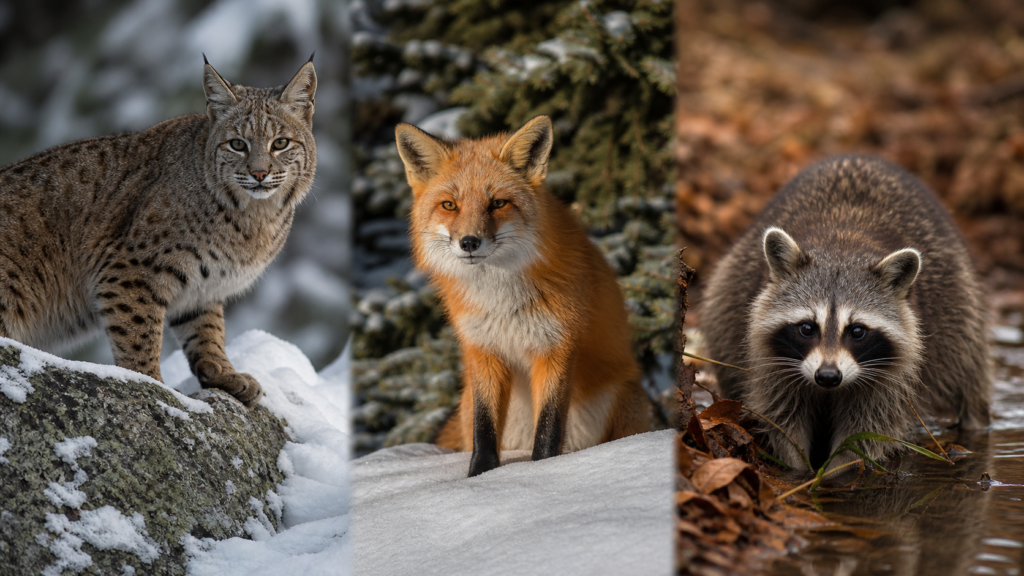
Colorado’s decision to slash bag limits on bobcats, foxes, and raccoons is being sold as a routine wildlife-management tweak, but it quietly tightens the vise on another slice of the outdoor economy that overlaps with the firearms community. Trappers and small-game hunters who once viewed these furbearers as a renewable, self-funded resource now face fewer tags, higher per-animal costs, and—most critically—another precedent that state agencies can unilaterally constrict access without legislative debate. Because many of the same rifles, optics, and rimfire platforms used for coyote control double as furbearer tools, any reduction in opportunity ripples straight into the justification for owning and training with those firearms year-round.
The timing is conspicuous. With pelt prices still soft and trapper participation already trending down, CPW is essentially rationing scarcity rather than responding to a documented population surge. That framing matters to Second Amendment advocates because it mirrors the same “we’re just managing the resource” rhetoric used to justify magazine limits, suppressor restrictions, and “ghost gun” registries. If regulators can declare a species’ harvest “excessive” based on opaque models and social-science surveys, they can apply identical logic to the number of rounds a law-abiding citizen may possess. The furbearer community’s loss of a half-dozen pelts per season is therefore less about fur prices and more about whether access to the landscape—and the tools needed to use it—remains a right or becomes a privilege dispensed annually by commission vote.
For pro-2A strategists, the takeaway is straightforward: every new layer of harvest restriction adds another data point to the argument that wildlife agencies have drifted from science-based conservation into social-engineering bureaucracies. Joining local trapper advisory boards, filing public comments during the next quota cycle, and highlighting how multi-season small-game pursuits reinforce the “common use” test for arms all serve the larger cause. When the same rifles that take coyotes in January also put food on the table and fur in the market, limiting one activity inevitably chills the culture that keeps those rifles relevant—and constitutionally protected.


