

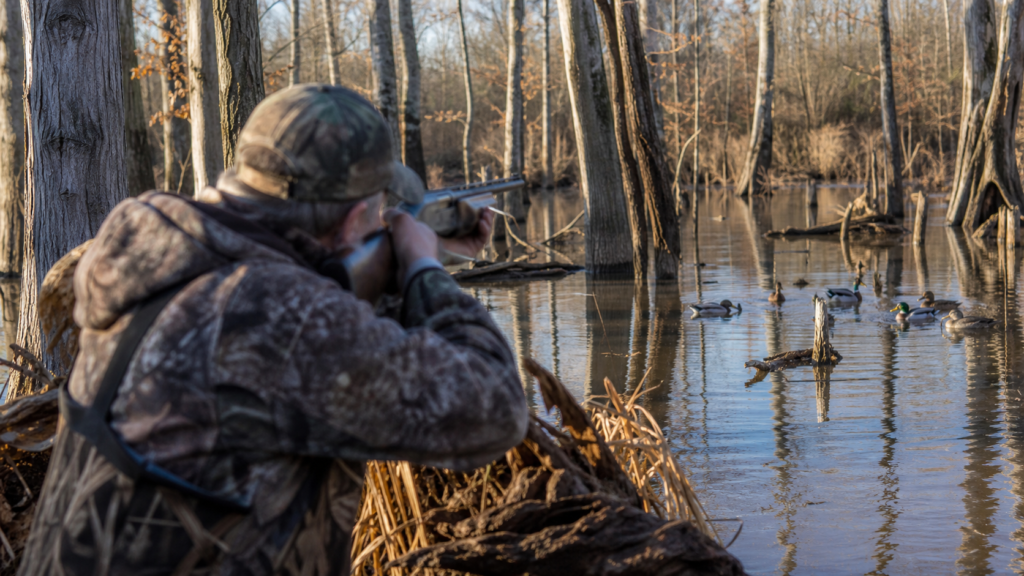
Arkansas Game and Fish Commission’s proposal to institute a draw system on a slice of the St. Francis Sunken Lands WMA is more than a scheduling tweak—it’s a quiet admission that public-land duck hunting in the Delta is buckling under its own popularity. By rationing access instead of expanding opportunity, the agency is choosing bureaucracy over habitat work or additional acreage, a pattern that should raise eyebrows among Second Amendment supporters who already watch state wildlife departments treat public lands like exclusive clubs. When the same commission that manages duck stamps and federal-aid dollars decides who gets to hunt and who stays home, it effectively rations a constitutional activity through administrative fiat rather than letting market signals or private-land solutions flourish.
For the 2A community the move is a cautionary tale about mission creep: once an agency gains the power to allocate “fair” access, that power rarely shrinks and can later be repurposed to limit other firearms-related activities under the banner of “resource protection.” Hunters who shrug this off as “just ducks” forget that the same regulatory logic has already produced magazine restrictions, suppressor delays, and ever-tightening carry rules in other states. The smarter play is to treat every new draw, permit, or quota as another data point in the slow nationalization of the outdoors and to push back with demands for more walk-in ground, longer seasons, and fewer gatekeepers rather than cheering for a lottery ticket to your own public land.


