

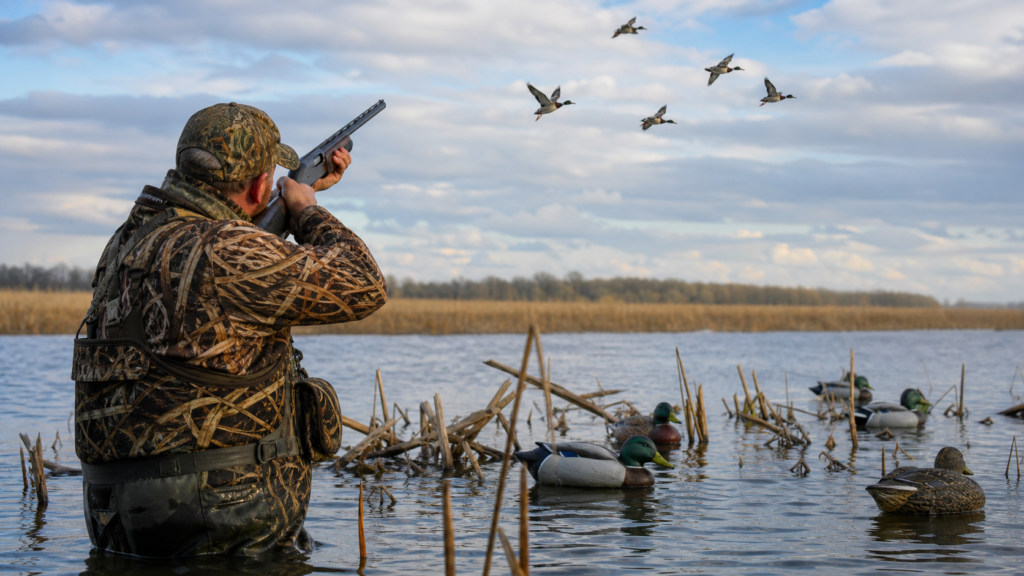
The 2026 Waterfowl Breeding Population and Habitat Survey is more than a set of numbers—it’s the federal government’s annual report card on how well the continent’s duck factories are performing, and that directly dictates how many days, how many birds, and which species you’ll be allowed to chase come fall. When biologists fly those transects across the Prairie Pothole Region and the boreal forest, they’re not just counting mallards and pintails; they’re generating the data that the U.S. Fish and Wildlife Service and state agencies use to set frameworks under the Migratory Bird Treaty Act. For Second Amendment supporters, the lesson is straightforward: the same constitutional principles that protect the right to keep and bear arms also underwrite the regulated harvest of migratory game, because both rest on the premise that free citizens can responsibly interact with the natural world without needing a permission slip for every shell.
What the survey actually reveals this year is a mixed but cautiously optimistic picture—solid mallard numbers holding steady, some species like scaup still lagging, and habitat conditions that swing with rainfall and agricultural policy. Those fluctuations matter because they feed directly into the annual season-setting process, where hunters, through groups like Delta Waterfowl and Ducks Unlimited, sit at the table with biologists to argue for longer seasons or higher bag limits when the data support it. That participatory structure is a living example of federalism and citizen involvement, the same decentralized decision-making that pro-2A advocates defend when states push back against one-size-fits-all gun control. If breeding habitat continues to be squeezed by federal wetlands rules or EPA “waters of the United States” interpretations, the ripple effect won’t just be fewer ducks—it will be fewer opportunities for young hunters to enter the tradition, shrinking the political constituency that defends both hunting rights and the broader right to arms.
Bottom line, the 2026 numbers remind us that waterfowling is not a government-granted privilege but a wildlife-management success story built on the North American Model of conservation, user-pay funding through duck stamps and excise taxes, and an armed, engaged citizenry that monitors both game populations and the bureaucrats who manage them. When the survey shows healthy breeding stock, it validates decades of habitat work funded by hunters; when it shows shortfalls, it underscores why the shooting community must stay vigilant against regulatory creep that could one day treat shotgun ownership the way some agencies already treat lead shot or private wetlands. In either case, the data belong to the people who buy the shells, maintain the habitat, and vote with their boots in the marsh every autumn.


