

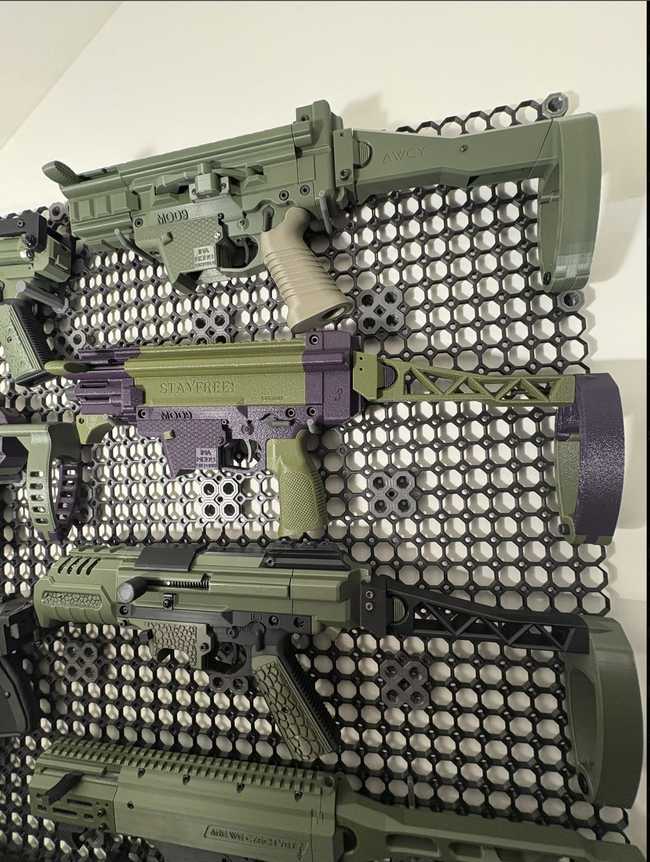
The push to regulate 3D printers isn’t really about stopping criminals from making unserialized guns; it’s about normalizing the idea that any tool capable of producing a firearm must be treated like a firearm itself. Lawmakers and regulators are testing whether they can expand the definition of “firearm” to include the machines, software, and even the raw materials that make them possible. That framing lets them sidestep the political cost of directly attacking gun owners while still achieving the same practical result: shrinking the universe of people who can legally make or modify their own arms. For the broader maker community—engineers, hobbyists, small manufacturers—the precedent is chilling because it turns an everyday fabrication tool into a regulated item whose use could be monitored, licensed, or even banned outright.
The 2A community sees this for what it is: an indirect but potent attack on the right to keep and bear arms that doesn’t require another assault-weapons ban or magazine restriction. If the state can require background checks to buy a printer, demand serialization of every printed lower, or criminalize the distribution of design files, it effectively inserts itself between the citizen and the means of production. That’s why resistance isn’t limited to gun owners; once the principle is accepted that government can gatekeep the tools of manufacture, the same logic can be applied to reloading presses, CNC mills, or any future technology that lowers the barrier to self-reliance. The outrage is therefore less about any single printer model and more about preserving the technological foundation that has historically made the Second Amendment meaningful in practice, not just on paper.


