

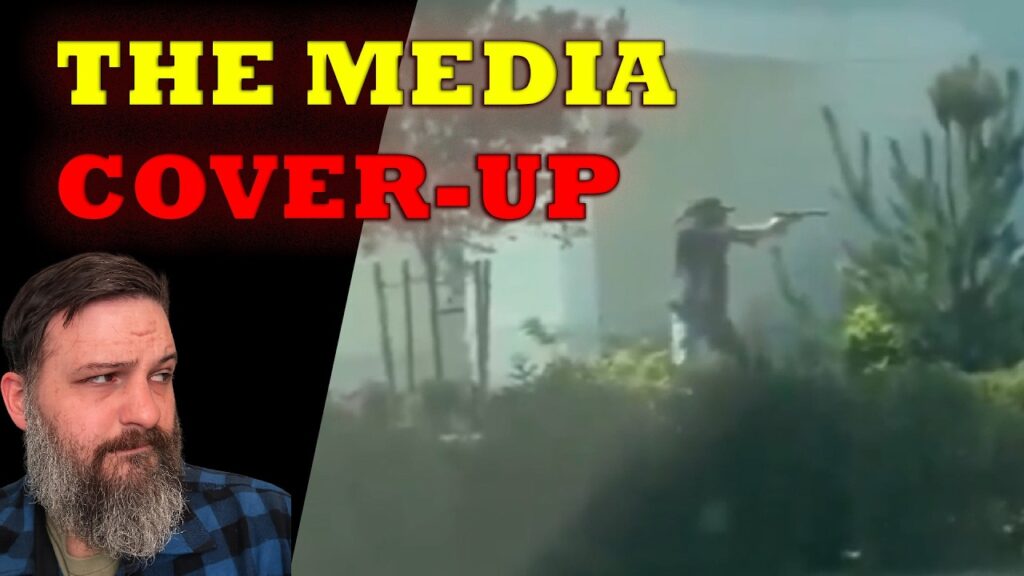
In the grainy security footage from that Twin Falls In-N-Out, the moment the armed citizen draws his pistol is almost anticlimactic—until you realize the split-second decision saved lives. While the assailant brandished a weapon and lunged toward the counter, the defender’s draw stroke was textbook: eyes on target, muzzle never sweeping bystanders, trigger finger indexed until the threat was clear. The footage shows restraint, not recklessness, and that distinction matters when the national press corps decides which clips merit airtime.
The silence from major outlets is telling. Stories that reinforce the narrative of armed citizens as liabilities get wall-to-wall coverage; stories that portray them as the last line of defense between chaos and the lunch rush are quietly filed under “local crime.” Yet the data keeps piling up—CDC, National Academy of Sciences, peer-reviewed studies from Kleck to Lott—all pointing to defensive gun uses outnumbering criminal ones by ratios anywhere from 3-to-1 to 20-to-1. Twin Falls is simply the latest data point that refuses to fit the preferred storyline.
For the 2A community, the takeaway is twofold. First, training and mindset still trump hardware; the defender in Idaho didn’t need a plate carrier or an optic, just the willingness to act and the legal right to carry. Second, every time the media withholds context, it underscores why personal preparedness cannot be outsourced to institutions that treat lawful self-defense as an inconvenient truth. The hamburger joint may be local, but the principle is national: when seconds count, the only cavalry you can count on is the one you brought with you.


