

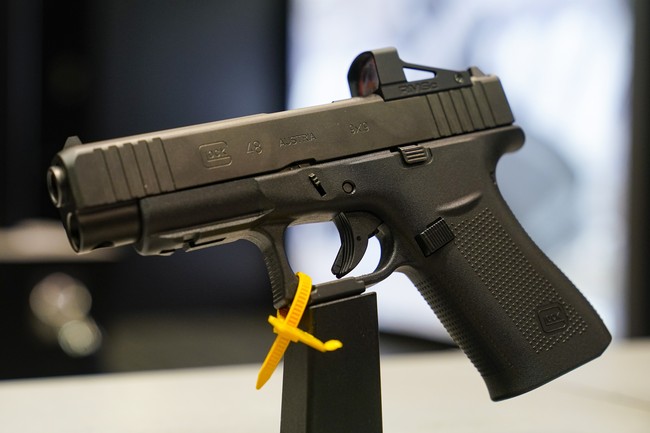
California’s latest attempt to outlaw Glock handguns isn’t just another coastal gun-control spasm—it’s a calculated test of whether a single state can functionally nullify a nationally distributed product line by redefining “unsafe handgun” criteria to exclude the most popular striker-fired pistols in America. By leaning on the state’s already byzantine handgun-roster scheme and layering new “microstamping” mandates that even Glock has said are impossible to implement, Sacramento is daring both manufacturers and the federal courts to blink first. If the ban survives, every other state with a roster or “safety” statute suddenly has a blueprint for banning whatever polymer-framed, high-capacity pistol currently dominates its market, turning the Second Amendment into a geographic patchwork rather than a constitutional floor.
The ripple effects extend far beyond California’s nine million-plus gun owners. Distributors and retailers nationwide will face inventory whiplash as production runs are altered or skus are region-locked, while the inevitable spike in aftermarket parts and “California-compliant” clones will test the limits of the ATF’s ever-expanding definition of what constitutes a new firearm. More importantly, the case is shaping up to be a live-fire demonstration of Bruen’s text-and-history test: if a 20th-century roster scheme can be stretched to disappear an entire class of arms that are in common use nationwide, then the “sensitive places” and “shall-issue” victories secured since 2022 risk being paper tigers. Pro-2A litigators are already gaming out parallel challenges in New York, Illinois, and New Jersey, recognizing that a loss here could reset the board on incorporation itself.
For the broader gun culture, the episode is a reminder that rights rarely recede in a single dramatic stroke; they erode through a thousand regulatory cuts dressed up as consumer-safety rules. California’s move also spotlights the strategic value of redundancy—owning multiple platforms, maintaining out-of-state relationships, and supporting groups that can wage multi-front litigation—because the next roster battle may not announce itself with a headline about Glocks at all.


