

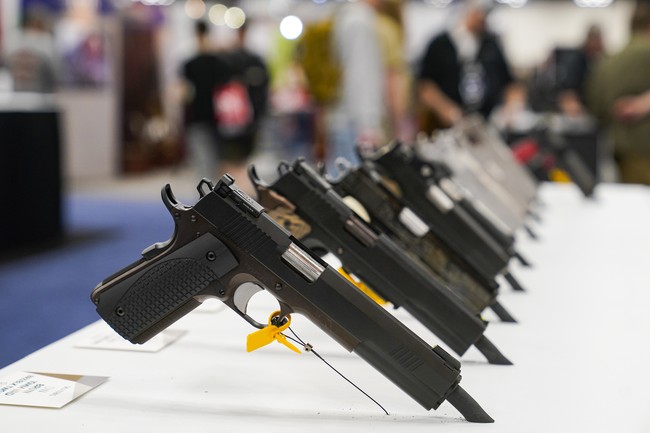
The narrative that Canadian guns are flooding south and fueling U.S. crime has gained traction in certain media circles, yet the underlying data remains frustratingly thin. Official Canadian export records show that the overwhelming majority of firearms leaving the country are destined for verified commercial or law-enforcement buyers, not shadowy straw purchasers. Meanwhile, U.S. trace data from the ATF consistently points to domestic sources—straw purchases, thefts from American FFLs, and illegal modifications—as the primary vectors for crime guns recovered in both countries. The “Canadian gun” talking point therefore functions less as a factual claim and more as a rhetorical device that conveniently shifts attention away from the policy failures closer to home.
For the 2A community, this episode is a textbook illustration of how incomplete statistics are weaponized to justify further restrictions on lawful owners. When Canadian authorities admit they lack a reliable mechanism to track the final disposition of exported firearms, any assertion about “Canadian crime guns” rests on extrapolation rather than evidence. That evidentiary gap matters because it mirrors the same logic used domestically: if the data is murky, expand background checks, raise fees, or ban categories of firearms. Law-abiding Canadian and American gun owners alike end up paying the price for crimes committed with guns that never left a U.S. dealer’s inventory in the first place.
The broader implication is that pro-2A advocates must insist on granular, transparent tracing data before conceding policy ground. Without it, every new restriction is sold as a response to a phantom threat rather than a solution to verifiable problems like prosecuting straw purchasers or securing existing stockpiles. The Canadian example should serve as a cautionary tale: once the narrative outruns the numbers, rights erode long before the facts catch up.


