

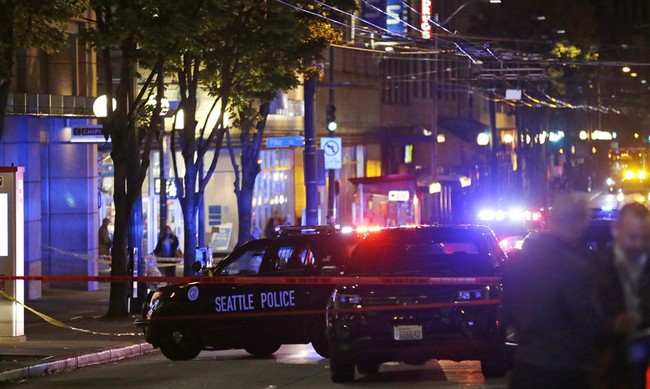
Washington State’s latest round of gun-control theater has left law-abiding Seattleites staring at empty shelves and wondering why the politicians who promised “safer streets” delivered only longer wait times and higher prices. With magazine-capacity bans, permitting delays, and a de-facto freeze on new semiautomatic purchases, residents who once trusted the system are now racing to private transfers, out-of-state family, or the dwindling stock of pre-ban magazines—anything to keep a fighting chance when the next smash-and-grab crew kicks in their door. The irony is almost poetic: the very neighborhoods the legislature claimed to protect are the ones where police response times stretch past twenty minutes, forcing citizens to confront the oldest truth in self-defense—when seconds count, the government is still minutes away.
What makes this scramble especially telling is how quickly the market exposed the policy’s contradictions. Gun stores that survived the initial panic-buying waves are now fielding daily calls from first-time buyers who suddenly realize an AR pistol or featureless rifle is no longer an option, while the same legislators who banned standard-capacity magazines quietly exempt their own security details. That double standard hasn’t gone unnoticed; it fuels a growing recognition inside the 2A community that “assault-weapon” rhetoric is less about crime reduction and more about political signaling. Data from surrounding states with shall-issue carry and constitutional carry shows violent crime dropping as lawful carry rises, yet Washington doubles down on restrictions that disarm only the compliant.
For the broader Second Amendment movement, Seattle’s scramble is both warning and rallying cry. It demonstrates that incremental bans don’t reduce criminal access—they simply shift the cost and inconvenience onto the people who already obey the law, accelerating the very polarization the gun-control lobby claims to deplore. The lesson traveling through gun shops and gun-club parking lots is straightforward: rights ignored at the ballot box must be defended in courtrooms, statehouses, and at the ammo counter. Every empty shelf in Seattle is another data point proving that when government fails to secure its citizens, those citizens will—and should—secure themselves.


