

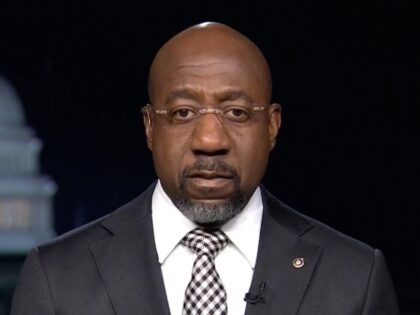
Sen. Raphael Warnock’s vow to “guardrail” a second Trump term by flipping both chambers of Congress is less about institutional balance and more about locking the legislative doors before the next wave of pro-Second Amendment reforms can reach the floor. Democrats have already telegraphed their playbook: universal background checks, red-flag laws, magazine bans, and renewed pushes for pistol-brace and semi-auto restrictions. With Warnock openly framing these measures as necessary restraints on the executive, the 2A community should read the subtext clearly—any Republican majority in either chamber is the only firewall standing between those proposals and a presidential signature.
The timing is no accident. Warnock’s comments arrive as the Supreme Court’s Bruen and Rahimi decisions have already begun dismantling decades of lower-court gun-control precedent, and as states like Georgia continue expanding constitutional carry. A Democratic takeover would instantly shift the battlefield from the courts back to statute, where funding riders, ATF rulemakings, and new criminal penalties could be layered on faster than litigation could unwind them. For gun owners, that means the difference between steady progress on national reciprocity and suppressor reform versus an immediate return to the Obama-era regulatory blitz that turned pistol braces into felonies overnight.
The practical takeaway is straightforward: every competitive House and Senate seat in 2026 now carries the same weight as a Supreme Court vacancy did in 2016. Grass-roots turnout, state-level legislative majorities, and donor focus must treat congressional control as the decisive terrain for preserving the gains already secured and unlocking the ones still blocked by a single chamber. Without it, Warnock’s “guardrails” become the new normal rather than a temporary talking point.


