

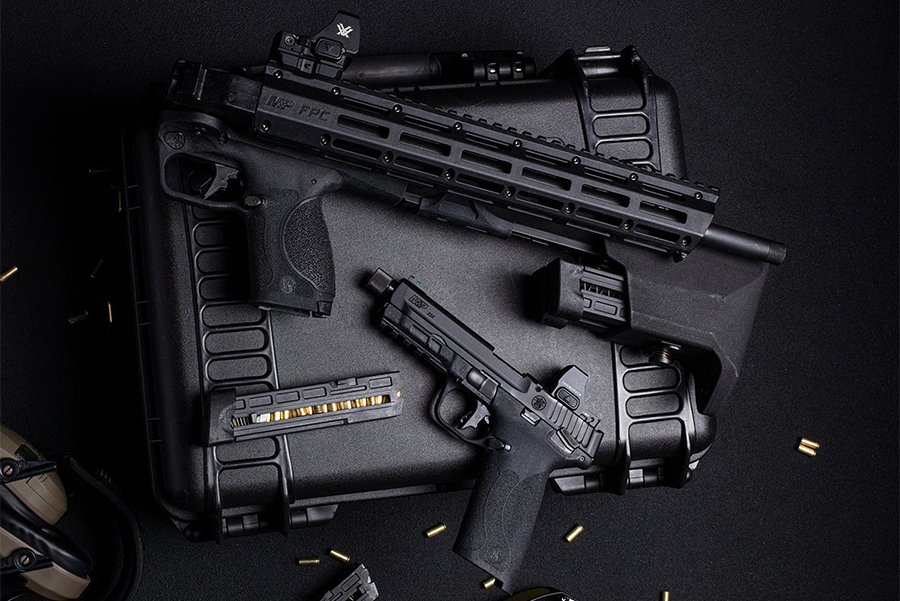
The Violence Policy Center’s latest tantrum over .22 rimfire rifles and pistols reveals just how far the gun-control lobby has drifted from any coherent public-safety argument. By insisting that even the most common small-game and training round must be treated like a battlefield threat, VPC exposes its real goal: not “reasonable restrictions,” but the incremental criminalization of every firearm that millions of Americans still view as entry-level tools for marksmanship, pest control, and youth instruction. Their complaint that .22s are “wrongly viewed” as less lethal is an admission that the old “assault weapon” scare has lost traction; now the strategy is to pathologize the cartridge that has introduced more new shooters to the Second Amendment than any other.
For the 2A community this episode is both a warning and an opportunity. It underscores that no caliber is safe once the premise is accepted that government may ban any round deemed “too lethal” by activists. At the same time, the sheer absurdity of targeting .22s hands pro-rights advocates a powerful teaching moment: these are the guns and cartridges used in 4-H clubs, Appleseed events, and countless first-time range visits. When the public sees headlines about banning the same ammunition their kids use for squirrel hunting or their spouses use for cheap weekly practice, the disconnect between elite gun-control rhetoric and everyday American gun culture becomes impossible to ignore.
The deeper implication is that incrementalism never stops at the “scary” guns. Once the principle is conceded that lethality alone justifies prohibition, every firearm—from single-shot .22s to service pistols—falls within the crosshairs. The VPC’s outrage should therefore be treated not as an outlier but as the logical endpoint of any regulatory regime that measures rights by body-count spreadsheets rather than constitutional text.


