

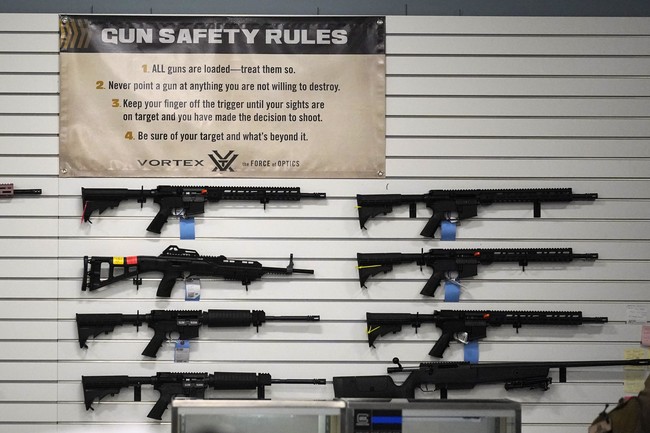
Virginia’s latest attempt at a so-called “assault weapons” ban has already run aground on the same reef that sinks most gun-control schemes: nobody in Richmond can actually define what they’re banning. One day the bill’s sponsors insist it targets only “military-style” rifles with detachable magazines; the next, they’re floating language that could sweep in everything from standard-capacity handguns to lever-actions with threaded barrels. The result is a legislative clown show that leaves law-abiding Virginians guessing whether their lawfully purchased firearms will suddenly become contraband overnight.
That confusion isn’t an accident—it’s the predictable outcome of emotion-driven policy written by people who treat the Second Amendment like a suggestion rather than a limit on government power. When legislators can’t even agree on the hardware they want to criminalize, the real target becomes obvious: not crime, but the very existence of an armed citizenry. Law-abiding gun owners in the Commonwealth have already shown they won’t roll over; sanctuary resolutions from dozens of counties and sheriffs’ public refusals to enforce unconstitutional edicts prove the grassroots pushback is alive and well.
For the broader 2A community, this episode is a reminder that every new restriction starts with vague wording and slippery definitions that expand over time. The only reliable defense is sustained political engagement—primary challenges, statehouse pressure, and continued legal challenges that force these proposals into the sunlight where their incoherence becomes impossible to hide. Virginia’s confusion today could easily become tomorrow’s model for other states, so the fight isn’t just local; it’s a preview of the next national battle over whether the right to keep and bear arms remains a right at all.


