

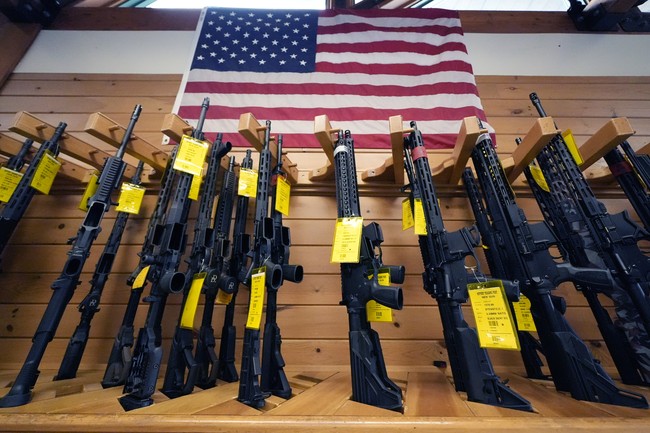
Virginia’s so-called assault-weapons ban is now a textbook case of how a statute can be passed in haste and then left to twist in the wind of litigation. Dealers who stocked up on compliant inventory last year are watching their shelves gather dust while customers—many of them first-time buyers—hover in the aisles, credit cards half-drawn, waiting for a judge to decide whether the law even applies. The result is a market freeze that punishes the very small businesses the General Assembly claims to protect, and it underscores a larger truth: when legislation is written in the passive voice (“weapons of war have no place on our streets”), the active consequences fall on law-abiding Virginians who simply want to exercise a constitutional right without playing regulatory roulette.
What makes the confusion especially corrosive is the signal it sends to the broader Second-Amendment community. Gun owners have long argued that restrictions are often less about public safety than about normalizing the idea that rights are privileges subject to bureaucratic grace periods. Here, the grace period has become an open-ended stay, and every month that ticks by without a ruling chips away at the predictability that lawful commerce requires. Meanwhile, neighboring states without such bans continue to see brisk transfers, reminding Virginians that geography—not constitutional principle—is now the deciding factor in whether a semi-automatic rifle can be purchased.
For 2A advocates, the episode is both a warning and an opportunity. It demonstrates why vague definitions and last-minute amendments invite exactly the kind of paralysis now on display, and it supplies fresh evidence that incremental bans rarely stay incremental. The longer the courts delay clarity, the stronger the case becomes for legislative repeal or, at minimum, statutory language that can survive even the most hostile reading. Until then, Virginia’s gun stores remain in a strange purgatory—open for business, yet unsure what “business” the state will ultimately allow.


