

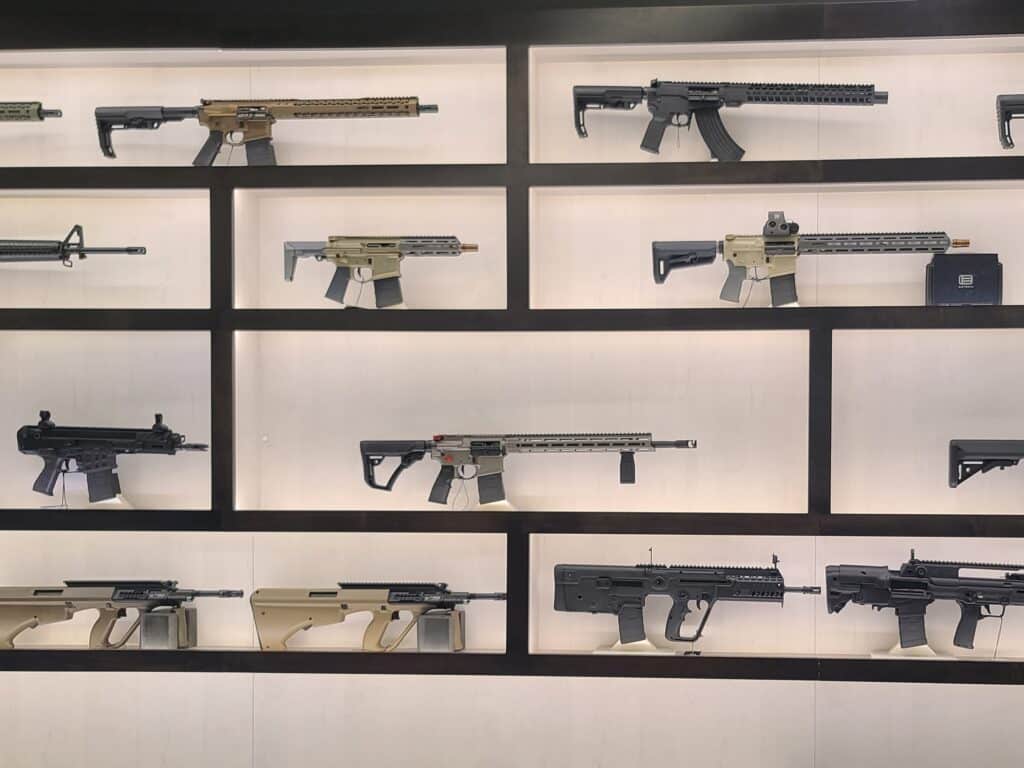
Virginia’s new “assault firearms” restrictions have already produced the predictable spectacle of empty shelves and panicked buying, with dealers reporting record rifle sales even as two judges have paused parts of the enforcement effort. The law’s vague definitions and shifting effective dates have left retailers guessing which configurations are suddenly illegal, prompting many to pull popular semi-automatic rifles from inventory rather than risk felony charges. That uncertainty has only accelerated demand, as Virginians who waited for clarity now scramble to secure firearms that were perfectly legal last month.
For the broader Second Amendment community, the episode is a textbook demonstration of how quickly a single state can turn millions of lawfully owned rifles into contraband overnight, and how little regard some legislators have for the practical chaos that follows. The legal back-and-forth also underscores the fragility of relying on courts to restore rights once politicians decide to criminalize common configurations; while the injunctions offer temporary relief, they remain vulnerable to appeal or legislative work-arounds. Meanwhile, the surge in sales reveals a resilient consumer base that treats each new restriction as a signal to stock up rather than comply, a pattern that has repeated in every state that has tried similar bans.
The longer-term implication is that Virginia has joined the growing list of jurisdictions where millions of otherwise law-abiding citizens are now one legislative session away from becoming felons for possessing standard-capacity magazines or popular rifle features. That reality is pushing more owners toward constitutional-carry states and prompting renewed interest in groups actively litigating these measures in federal court. Far from reducing violence, the policy has simply transferred wealth from law-abiding Virginians to out-of-state FFLs while eroding trust that the political process will respect the right to keep and bear arms.


