

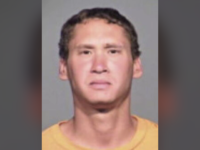
A convicted felon stands accused of igniting the largest of three recent fires in Spokane, a reminder that the people most likely to commit violent crimes are the very individuals already prohibited from possessing firearms. The sheriff’s office has tied the suspect’s record to the blaze, underscoring how existing prohibitions on felons owning guns did nothing to stop him from allegedly using fire as a weapon of destruction. For the 2A community, the case is a textbook illustration that criminals ignore gun laws by definition; the only people constrained by new restrictions are the law-abiding citizens who rely on firearms for self-defense when police response times stretch into minutes or longer.
The broader implication is that “universal background checks” and expanded prohibited-person lists sound appealing on paper but routinely fail to disarm those already operating outside the law. Spokane’s experience mirrors national patterns: career criminals obtain guns through theft, straw purchases, or the black market, while millions of non-violent gun owners face fresh layers of bureaucracy. Rather than chasing symbolic legislation that leaves hardened offenders untouched, policymakers would do better to prioritize swift prosecution of felons caught with firearms and to support shall-issue carry so responsible citizens can protect their communities when the next threat—whether arson or armed attack—emerges.
Ultimately, this story reinforces why the right to keep and bear arms is framed as an individual responsibility rather than a government-granted privilege. When the state cannot prevent a prohibited person from committing arson, the last line of defense remains an armed citizenry trained, equipped, and legally empowered to respond. The Spokane fires should prompt renewed focus on prosecuting violent recidivists to the fullest extent of existing law, not another round of feel-good restrictions that criminals will simply sidestep.


