

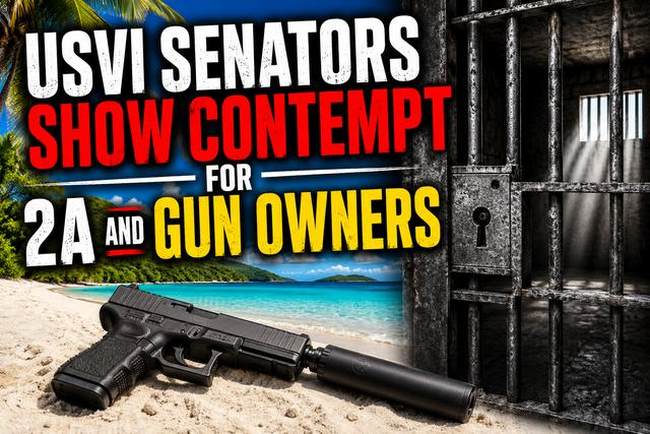
In the U.S. Virgin Islands, lawmakers just rammed through a gun-control package that reads like a wish list for every anti-Second Amendment activist on the mainland. The bill’s most sweeping provision would effectively outlaw the sale of any semi-automatic firearm, while simultaneously criminalizing the mere possession of suppressors and imposing a raft of new registration, storage, and “may-issue” permitting hurdles. Virgin Islands Safe Gun Owners founder Kosei Ohno has been sounding the alarm, documenting how the measure sailed through committee with almost no public debate and was framed by sponsors as a “public-safety” update rather than the wholesale disarmament it represents.
What makes the episode especially galling is the territory’s peculiar legal status: although the Second Amendment applies, Congress and federal courts have historically given local legislators wide latitude, allowing them to treat gun owners as second-class citizens. By banning the most popular defensive arms and accessories, the USVI is telegraphing that constitutional rights are optional once you leave the contiguous forty-eight—an ominous precedent other island or territorial jurisdictions could cite. For mainland advocates, the danger is less about copy-cat legislation than about the erosion of the principle that the right to keep and bear arms is not a geographic favor granted by politicians.
The practical fallout will be immediate for the small but dedicated community of lawful gun owners in the territory: many will be forced to surrender or smuggle off-island firearms they have owned for years, while new residents and visitors will simply go unarmed. That outcome serves as a stark reminder that every legislative session, no matter how small the jurisdiction, is a live-fire exercise in whether our founding principles still have force—or whether they can be nullified by a handful of senators in a single afternoon.


