

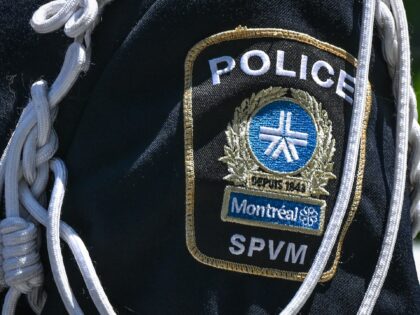
In the wake of Monday’s tragic shooting in Montreal’s Côte-des-Neiges neighborhood, where a police officer and a civilian lost their lives before the suspect was neutralized, the incident underscores a stark reality: when seconds count, armed citizens and well-trained responders are often the only line between life and death. Canada’s restrictive firearms laws, which tightly control both carry and ownership, leave law-abiding residents dependent on police response times that, in urban settings, can still stretch into the critical minutes when lives are on the line. The fact that the suspect was ultimately stopped does not erase the human cost paid while waiting for that intervention; it simply highlights how a single armed civilian on scene might have altered the outcome before additional casualties mounted.
For the American Second Amendment community, this serves as a real-time case study in the consequences of policy choices that prioritize bureaucratic control over individual preparedness. While Canada touts its lower overall gun ownership rates, the data on defensive gun uses in the U.S. consistently shows that millions of incidents each year are resolved without shots fired, precisely because a legally armed citizen was present. Montreal’s tragedy is not an argument against guns; it is an argument against the illusion that only government agents can be trusted with them. When the next attack unfolds—and history tells us it will—the difference between another headline of helplessness and one of resilience may come down to whether ordinary people are empowered to act.
Ultimately, the 2A community should view this not as a foreign curiosity but as a cautionary mirror: every restriction that disarms the law-abiding incrementally shifts the balance of power toward those who already ignore the law. The families in Côte-des-Neiges are left grieving because the system failed to keep its promise of protection; across the border, the reminder is clear that the right to keep and bear arms exists exactly for moments when that promise cannot be kept.


