

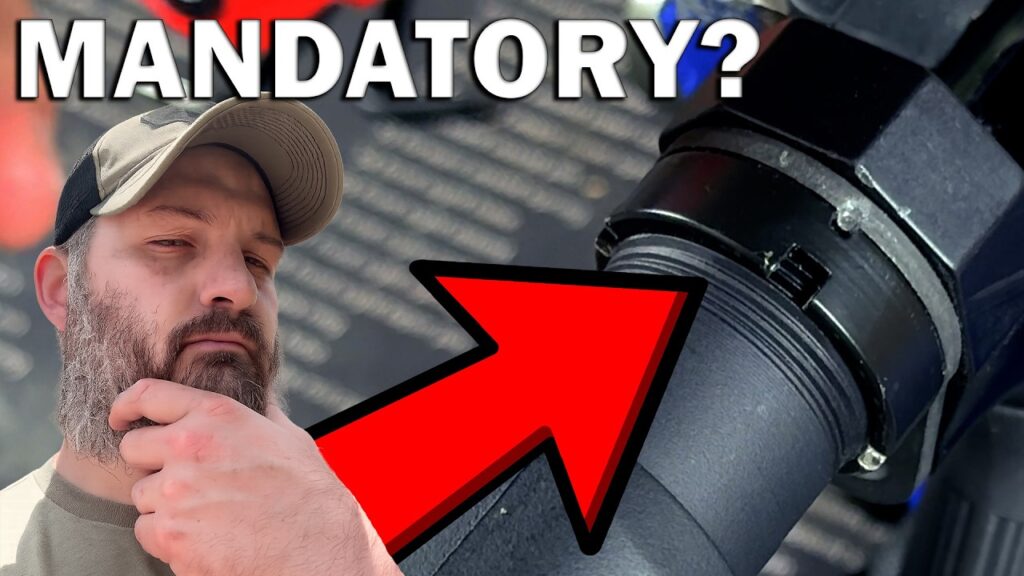
Staking a castle nut isn’t just a finishing touch on an AR build—it’s a deliberate act of mechanical insurance that keeps the buffer tube, end plate, and upper receiver in lockstep under the violent, repeated forces of recoil. When a builder dimples the nut into the receiver extension plate, they’re creating a physical interlock that resists the torque that would otherwise loosen the assembly over thousands of rounds. In an era when many shooters treat their rifles like modular toolkits, swapping stocks, braces, and buffer systems at will, that little crescent of displaced metal becomes the difference between a gun that stays zeroed and one that starts walking its point of impact because the buffer tube has backed off. The choice to stake or not therefore isn’t merely aesthetic; it’s a quiet referendum on whether the builder trusts the rifle to perform when the margin for mechanical failure is measured in fractions of an inch and fractions of a second.
For the broader 2A community, this small detail carries outsized symbolic weight. In states where feature bans and “assault weapon” definitions hinge on whether a firearm is considered “readily convertible,” a properly staked castle nut can be evidence of a finished, reliable rifle rather than an unfinished receiver set waiting for future configuration. More importantly, it embodies the self-reliant ethos that underpins the right to keep and bear arms: the willingness to master not only marksmanship but also the mechanical integrity of the tools themselves. Manufacturers who skip staking to cut costs are betting that most users won’t notice until it’s too late; builders who take the extra minute with a punch and hammer are voting with their hands for durability over convenience. In a political climate where regulators scrutinize every component and every aftermarket choice, that vote matters.
Ultimately, the decision to stake reflects a deeper truth about civilian firearms culture: the people who treat their rifles as life-saving equipment rather than range toys are the same ones who will defend the Second Amendment when the pressure is on. A castle nut that stays put after ten thousand rounds is a small but tangible reminder that rights are preserved not only in courtrooms and legislatures but also in garages and workbenches where individuals refuse to accept “good enough” as a standard.


