

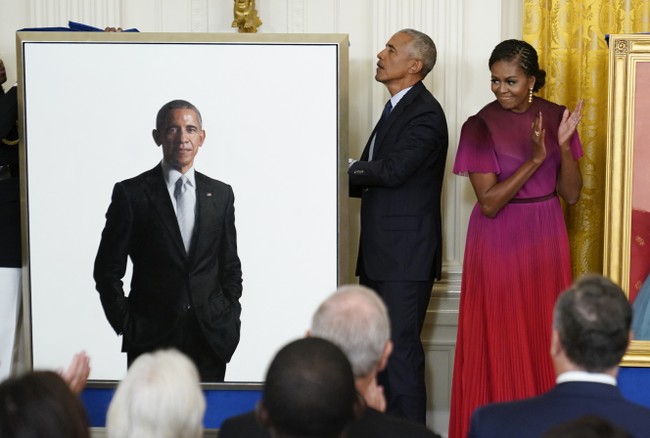
The Obama era’s carefully cultivated image of transformative leadership is finally showing cracks, and nowhere is that more evident than in the way his administration’s gun-control push reshaped the political battlefield for years to come. What once looked like an unstoppable wave of federal restrictions—fast-tracked background-check expansions, ATF reinterpretations, and the rhetorical framing of lawful owners as the problem—now reads like a master class in overreach that galvanized a sleeping giant. The very voters and suburban gun owners once assumed to be persuadable turned out in record numbers, driving record NICS checks and an unprecedented surge in first-time female and minority buyers who discovered the Second Amendment wasn’t a partisan talking point but a practical necessity.
That backlash didn’t just blunt Obama-era policies; it rewired the electoral map and the culture around ownership. States that flipped from blue to purple began passing constitutional-carry laws and rejecting magazine bans, while the Supreme Court’s later embrace of text-and-history originalism in Bruen can be traced, in part, to the grassroots infrastructure built during those eight years of perceived threat. For the 2A community the lesson is clear: when government power expands under the banner of “common-sense,” the response isn’t measured compliance but accelerated self-reliance—more training, more litigation funding, and a permanent skepticism toward any future administration that treats the right to keep and bear arms as a privilege subject to bureaucratic fine-tuning.


