

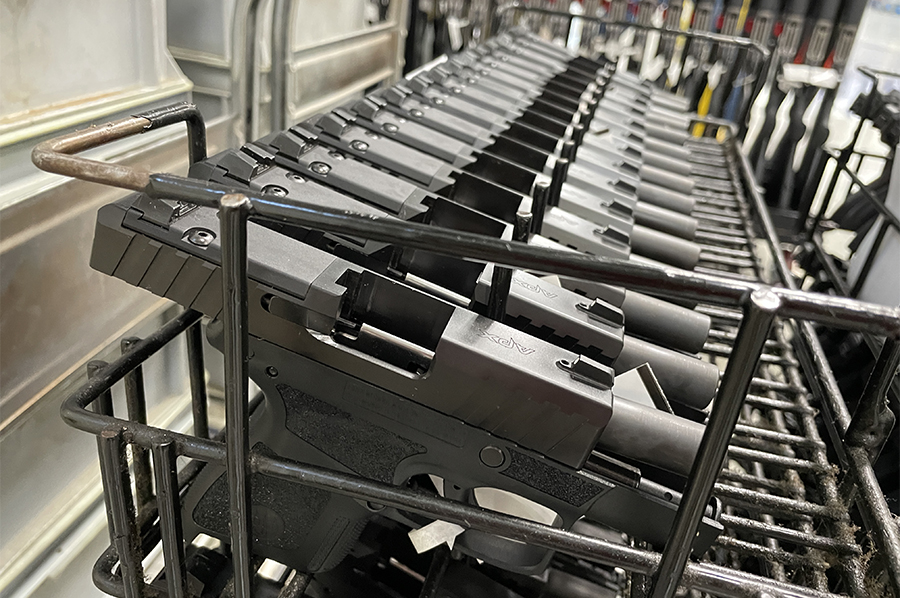
The real strategy behind many of today’s “public safety” proposals isn’t to regulate bad actors—it’s to starve the legal firearms industry of the oxygen it needs to exist. By layering impossible compliance costs, endless litigation exposure, and de-banking pressure onto manufacturers and FFLs, activists hope to achieve through economics what courts have so far refused to allow through outright bans. When insurance becomes unavailable, when credit-card processors quietly drop gun-related merchants, and when product-liability rules are rewritten to treat every lawful sale as a foreseeable harm, the industry doesn’t need to be outlawed; it simply ceases to be viable. That is the quiet endgame: render the Second Amendment moot by making the tools it protects impossible to produce or sell at scale.
For the 2A community this means the next battleground isn’t just the courthouse or the ballot box—it’s the supply chain. Every time a state passes a novel “public nuisance” statute aimed at manufacturers, or when federal agencies float rules that treat standard manufacturing tolerances as design defects, the cost of doing business ticks upward and the number of companies willing to absorb that risk ticks downward. The result is fewer domestic options, higher prices, and greater dependence on imports that can be choked off with a single customs ruling. Gun owners who focus only on magazine bans or “assault weapon” definitions risk missing this slower, more comprehensive squeeze that targets the ability to make and sell arms at all.
The implication is straightforward: defending the right to keep and bear arms now requires defending the right to manufacture and finance them. That means supporting legal challenges to extraterritorial liability laws, pushing back against Operation Choke Point-style financial surveillance, and recognizing that every compliance burden placed on the industry is ultimately a tax on the exercise of a constitutional right. If the goal is to make the Second Amendment unusable, then protecting the companies that turn the amendment into hardware is no longer optional—it is the front line.


