

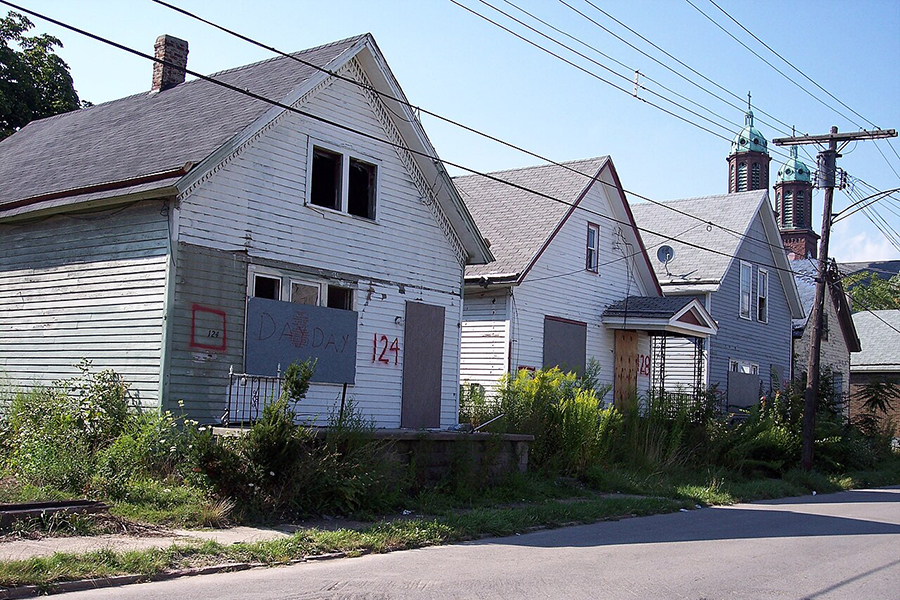
The latest academic brainstorm out of the Ivy League suggests that the best way to curb “gun violence” is to plant more trees—an idea so detached from reality it almost reads like satire. Researchers claim that simply adding greenery to neighborhoods will somehow reduce shootings, as if leafy canopies possess some mystical power to pacify criminals who already ignore laws against murder. This approach conveniently sidesteps the uncomfortable truth that the vast majority of gun crime is committed by a small subset of repeat offenders in cities with the strictest gun-control regimes, not by a lack of foliage.
For the 2A community, this study is a textbook example of how elite institutions prefer symbolic gestures over proven solutions like prosecuting violent felons, ending cashless bail, and enforcing existing laws. By shifting the conversation from personal responsibility and law-enforcement priorities to urban landscaping, academics can signal virtue without ever confronting the cultural and policy failures that actually drive violent crime. The implication is clear: when “more trees” becomes a serious policy proposal, it signals that the institutional left has run out of credible arguments against law-abiding gun owners and is now grasping at whatever sounds compassionate in a faculty lounge.
The danger isn’t just wasted grant money; it’s the continued distraction from real reforms that would protect the communities most affected by violence. While cities debate tree-planting initiatives, repeat offenders walk free, illegally armed, and unafraid of meaningful consequences. The Second Amendment community should treat this as yet another reminder that the cultural battle isn’t just about guns—it’s about whether we address root causes with honesty or keep hiding behind feel-good environmentalism that leaves citizens defenseless and criminals undeterred.


