

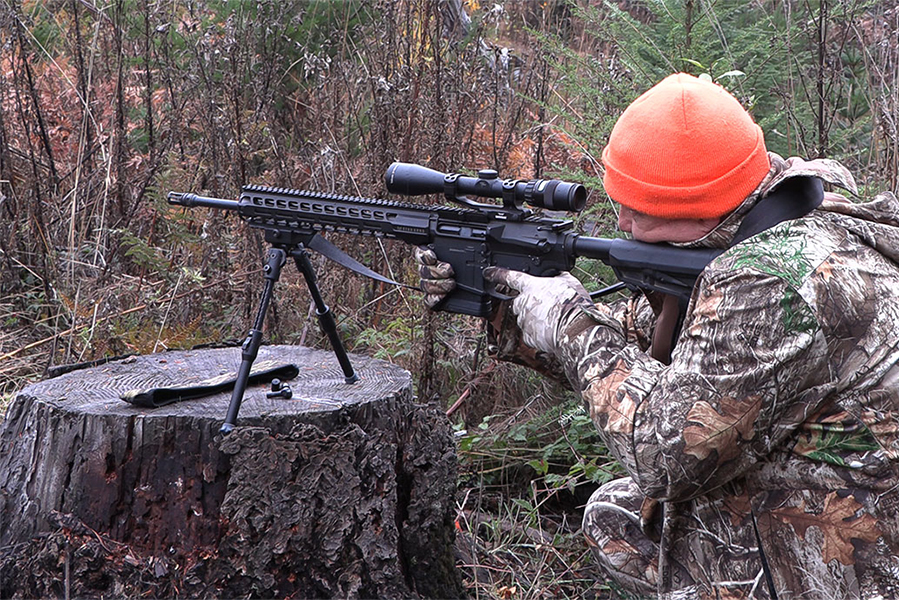
The sponsor of Virginia’s latest magazine and “assault weapon” ban is now training his sights on local prosecutors who have publicly stated they will not enforce what they view as an unconstitutional law—an escalation that reveals just how fragile gun-control victories really are when they rest on coercion rather than consensus. By threatening to strip funding or pursue ethics complaints against elected officials who refuse to criminalize the mere possession of firearms that millions of Americans train with, compete with, and rely on for self-defense, the legislation’s backers are admitting their policy cannot survive on its own merits. That admission is a gift to the 2A community: it spotlights the gap between what coastal lawmakers imagine “common-sense” gun policy looks like and what front-line law enforcement, judges, and juries are actually willing to stomach.
The deeper implication is that Virginia’s fight is no longer just about hardware; it is about whether a state can compel its own officers to become agents of federal-style registration and confiscation schemes that have already failed in courts from California to Illinois. When prosecutors signal they will prioritize real violent crime over paperwork violations, they are effectively creating sanctuary zones for lawful gun owners—an inversion of the sanctuary-city debate that gun-control advocates once mocked. For the broader Second Amendment ecosystem, this moment underscores the value of state-level nullification strategies, local accountability, and relentless litigation: every time a bill’s sponsor has to sue the people tasked with enforcing it, the law’s shelf life shortens and the precedent for future challenges lengthens.


