

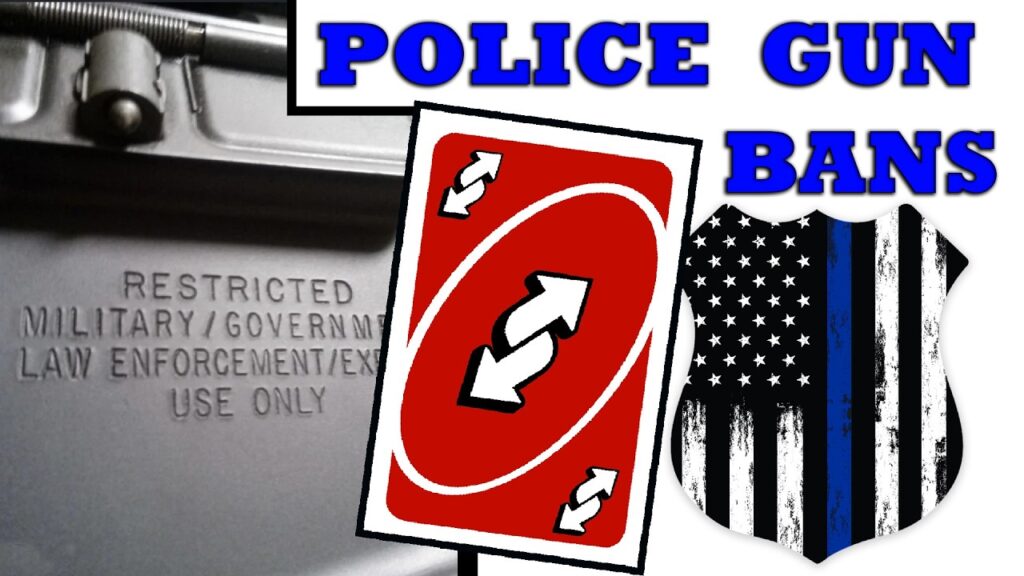
CMMG’s decision to stop selling its restricted-configuration rifles to police departments in states that ban the same guns for civilians is more than a policy tweak—it’s a deliberate shot across the bow at the two-tiered system that has long defined American gun control. By refusing to arm government agents with firearms civilians cannot legally own, the company is forcing a long-overdue reckoning: if a rifle is too dangerous for a law-abiding citizen, why should it be considered safe in the hands of the state? This stance flips the usual narrative that law-enforcement exceptions are merely pragmatic; instead, it treats them as evidence of hypocrisy that erodes equal protection under the law.
For the broader Second Amendment community, the move signals that manufacturers are finally willing to leverage their market power as a check on selective disarmament. When police agencies in places like California, New York, or Illinois suddenly face the same parts kits, magazine limits, and feature bans that private citizens endure, the political cost of those restrictions rises dramatically. Departments may push back, lobby for carve-outs, or quietly source overseas alternatives, but each workaround exposes the arbitrary nature of the original bans and keeps the conversation focused on the principle that constitutional rights do not vanish at a state line or a badge. In an era when courts are increasingly skeptical of interest-balancing tests that treat the right to keep and bear arms as a second-class freedom, CMMG’s policy serves as both a practical example and a rhetorical weapon for litigants and activists who argue that gun control must be applied evenly—or not at all.


