

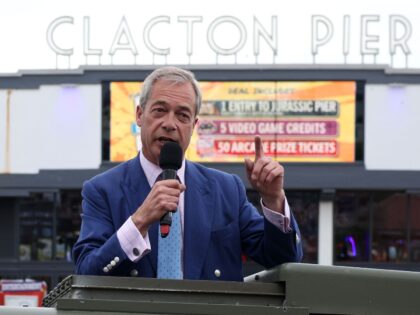
Nigel Farage’s commanding lead in the Clacton by-election is more than a domestic political sideshow; it is a referendum on whether voters will reward a politician who has consistently framed gun ownership as a cultural and constitutional issue rather than a public-safety crisis. Farage’s Reform UK platform explicitly calls for loosening Britain’s already draconian firearms laws—advocating “Vermont-style” carry for law-abiding adults and an end to the post-Dunblane confiscation regime that left sport shooters and rural landowners disarmed. In a constituency that still remembers countryside traditions, that message resonates louder than Labour’s reflexive calls for still-tighter controls or the Tories’ muddled middle ground.
For American Second Amendment advocates watching from across the Atlantic, the Clacton result offers a real-time stress test of how populist energy can shift the Overton window on self-defense rights even in a country whose political class treats private gun ownership as a moral failing. If Farage wins by the predicted double-digit margin, it will demonstrate that voters are willing to punish establishment parties that treat firearms as toxic and reward insurgents who treat them as ordinary tools of liberty. That lesson travels: U.S. midterm strategists who want to turn sporadic “shall-issue” or constitutional-carry victories into a durable governing majority would do well to study how Reform is fusing economic grievance, cultural sovereignty, and gun rights into a single, unapologetic narrative.
The deeper implication is tactical. Farage’s campaign has deliberately spotlighted rural voters—farmers worried about livestock predation, smallholders priced out of shotgun licensing, and sporting shooters who see their disciplines sliding toward extinction under successive Labour and Conservative home secretaries. By making gun policy visible rather than whispering it in think-tank papers, Reform is converting a traditionally niche constituency into an electoral asset. If that coalition holds on polling day, expect copy-cat messaging in U.S. swing districts where Democrats hope crime fears will eclipse gun-ownership concerns. The Clacton numbers suggest the opposite may be true: when voters are given a binary choice between further restriction and the restoration of individual responsibility, the restoration camp can still win in a walk.


