

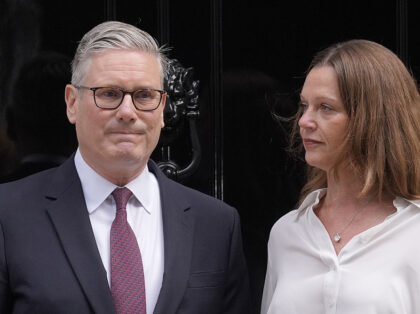
Keir Starmer’s drawn-out exit from Downing Street is less a graceful bow and more a slow-motion unraveling that leaves Britain’s already brittle gun-control regime without a steady hand on the tiller. By clinging to power for months while the tears well up, Starmer signals to every faction inside Labour—and every activist outside it—that the next phase of firearms policy will be shaped by whoever can shout loudest in the leadership vacuum. For the UK’s shrinking but determined shooting community, that means fresh rounds of “review,” “consultation,” and quiet bureaucratic ratcheting that historically precede tighter storage rules, higher fees, and narrower “good reason” definitions.
Across the Atlantic, American Second Amendment advocates should watch this spectacle as a cautionary tale in slow institutional capture: when a leader refuses to relinquish the microphone, the administrative state keeps writing rules while elected officials posture. The same NGOs and legacy media voices already pushing “public-health” framing on both sides of the pond will use Starmer’s lame-duck months to seed model legislation, data sets, and talking points that travel remarkably well from Westminster to statehouses in Sacramento or Albany. The lesson is simple—momentum matters, and a leader who won’t leave quickly hands that momentum to the side that never sleeps.


