

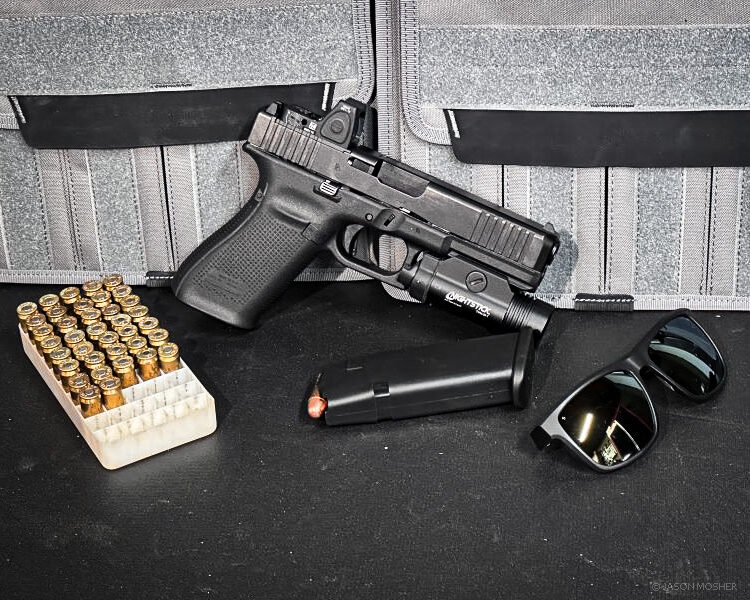
Maryland’s latest gun-control maneuver is a textbook example of how anti-Second Amendment lawmakers are trying to thread the needle around the Supreme Court’s Bruen decision without ever admitting they’re banning the most popular handgun in America. By zeroing in on “internal designs” rather than naming Glock outright, the statute pretends to regulate a technical feature while functionally outlawing an entire class of pistols that millions of law-abiding citizens rely on for self-defense. The move reveals a calculated strategy: instead of openly defying Bruen’s text-and-history test, states are laundering bans through regulatory language that sounds neutral but achieves the same result—disarming the public one model at a time.
For the 2A community this isn’t just another skirmish; it’s a stress test of whether Bruen will remain a robust constitutional backstop or slowly erode under a thousand regulatory cuts. If courts allow states to outlaw firearms by redefining their internal components as “unsafe” or “undetectable,” the practical effect is a veto over any semiautomatic pistol that doesn’t meet a legislature’s ever-shifting aesthetic or mechanical preferences. That precedent would travel: once Maryland’s workaround is green-lit, copycat bills will proliferate in blue states eager to sidestep Bruen without triggering the kind of headline-grabbing outrage that comes with an explicit Glock ban.
The legal fight now underway is therefore about more than one manufacturer’s product line; it’s about whether the right to keep and bear arms can be nullified by bureaucratic word games. Plaintiffs challenging the law are forcing judges to decide whether the Constitution protects the actual firearms people choose or merely the government’s preferred subset of them. How that question is answered will determine whether Bruen marks a durable restoration of constitutional limits or merely a temporary pause in the long march toward de facto confiscation.


