

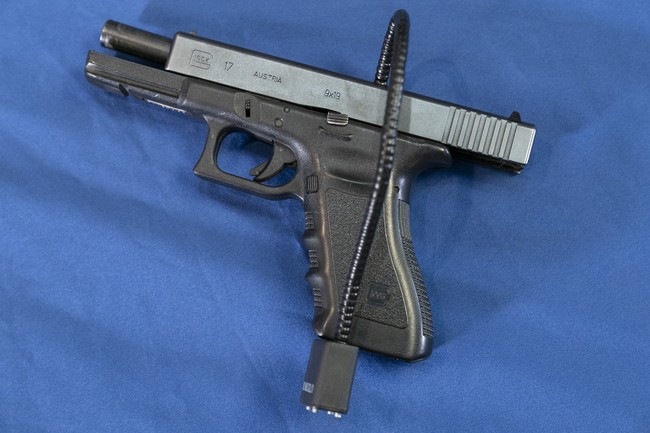
The tragic shooting at the so-called “gun-free” hospital exposes the cruel irony that always surfaces when laws disarm the law-abiding while leaving determined predators undeterred. The accused killer was already legally barred from possessing firearms because of documented mental illness, yet the facility’s signage and policy offered no additional layer of protection—only the comforting illusion that printed rules can override human intent. In reality, the only people who reliably obey “gun-free zone” placards are concealed-carry permit holders who value compliance; those plotting violence simply add the sign to their list of advantages.
For the 2A community, this case underscores a recurring pattern: prohibitions aimed at the prohibited often fail at the precise moment they are most needed, while simultaneously stripping trained, vetted citizens of the tools that could interrupt an attack. Hospitals, schools, and other sensitive sites become soft targets precisely because everyone inside knows law-abiding visitors and staff are unarmed, creating an asymmetry that emboldens attackers who have already demonstrated contempt for background-check laws. Rather than doubling down on feel-good signage, policymakers serious about safety would do well to recognize that allowing qualified personnel—security teams, off-duty officers, or even staff who have passed enhanced checks—to carry provides a distributed, immediate response that no bureaucratic edict can replicate.
Ultimately, the story is less about one tragic incident and more about the persistent mismatch between policy assumptions and criminal behavior. When a person already disqualified by mental-health adjudications still obtains a firearm, the failure lies in enforcement and prevention systems, not in the rights of millions of peaceable gun owners. The 2A community’s consistent message remains unchanged: rights exercised responsibly do not create victims; pretending that printed prohibitions will restrain predators does.


