

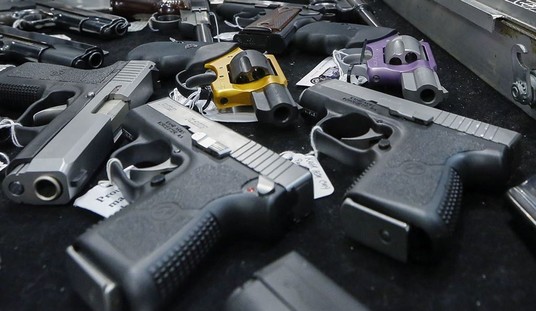
New York City’s latest push for even heavier enforcement against illegal guns is running headlong into the same wall that’s tripped up every prior crackdown: the criminals who actually commit the shootings aren’t lining up to get their permits. The data keeps showing that the overwhelming majority of recovered crime guns in the five boroughs are already illegal—either stolen, trafficked from states with weaker laws, or possessed by prohibited persons—so the city’s reflexive answer of more stop-and-frisk, more gun courts, and more federal task forces simply piles enforcement costs onto a population that largely obeys the law while the shooters keep cycling through revolving-door prosecutions. The real leverage point isn’t another layer of policing; it’s recognizing that “gun violence” in NYC is overwhelmingly a function of repeat violent offenders and the drug/gang ecosystem that arms them, not the law-abiding gun owner who never appears in the crime stats.
That reality carries direct implications for the broader Second Amendment community. Every time a major city doubles down on enforcement theater instead of fixing prosecution, bail, and juvenile-justice failures, it hands anti-gun activists fresh footage of “gun violence” to justify magazine bans, carry restrictions, and red-flag expansions that will inevitably sweep up legal owners. The Seventh Circuit’s recent upholding of Illinois’ ban and New Jersey’s scramble to preserve gun-free zones after Bruen both illustrate the same pattern: when cities refuse to confront the actual drivers of criminal violence, they manufacture a pretext to regulate the people who aren’t causing the problem. For New Yorkers who have watched the post-Bruen shall-issue regime get strangled by local rules and “good cause” holdovers, the lesson is that enforcement-only strategies don’t just fail to reduce shootings—they actively subsidize the narrative that more gun control is the only remaining option.
The smarter path, and the one 2A advocates should champion, is to separate the criminal from the firearm through relentless, targeted prosecution of violent recidivists, real sentencing, and civil strategies that make fencing or straw purchasing genuinely risky, while simultaneously protecting the right of lawful citizens to defend themselves. That approach doesn’t require New York to become Texas; it simply requires the political will to stop treating every shooting as proof that more gun owners need to be disarmed. Until that distinction is made, the city will keep spending enforcement dollars to chase symptoms while the root causes—failed prosecution, revolving-door justice, and a political class allergic to honest talk about criminal behavior—remain untouched.


