

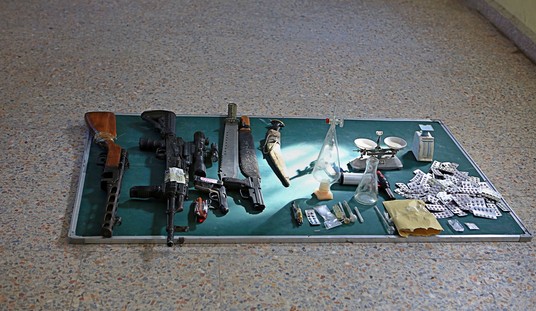
Gun control and drug control share the same fatal flaw: both assume that banning a thing will magically erase the human desire for it, while conveniently ignoring the black markets, cartels, and street-level violence that prohibition inevitably breeds. When politicians push “assault weapon” bans or magazine restrictions, they’re recycling the same logic that fueled the War on Drugs—criminalizing the object rather than addressing the underlying cultural, mental-health, and enforcement failures. The result is identical: law-abiding citizens lose access, criminals remain armed, and the body count climbs in cities that already treat the Second Amendment like an afterthought.
For the 2A community, the lesson is clear and urgent. Every new restriction on firearms is sold as “common-sense,” yet the same policymakers rarely apply equivalent scrutiny to the revolving-door prosecution of violent felons or the decriminalization experiments that have turned once-safe neighborhoods into open-air drug markets. Data from high-crime jurisdictions shows that the overwhelming majority of gun violence is committed by a tiny subset of repeat offenders already barred from possessing firearms; further disarming the compliant population does nothing to interrupt that pipeline. The insanity lies in pretending that paperwork and purchase delays will outperform aggressive prosecution and cultural accountability.
The deeper implication is strategic. If the public accepts the premise that government can outlaw inanimate objects to solve behavioral problems, then magazine limits today become registration lists tomorrow and confiscation the day after. The 2A community must therefore frame every gun-control debate as part of a larger pattern of prohibitionist overreach, linking it explicitly to the documented failures of drug policy. Only by exposing that shared intellectual bankruptcy can gun owners prevent the slow erosion of constitutional rights under the guise of public safety.


