

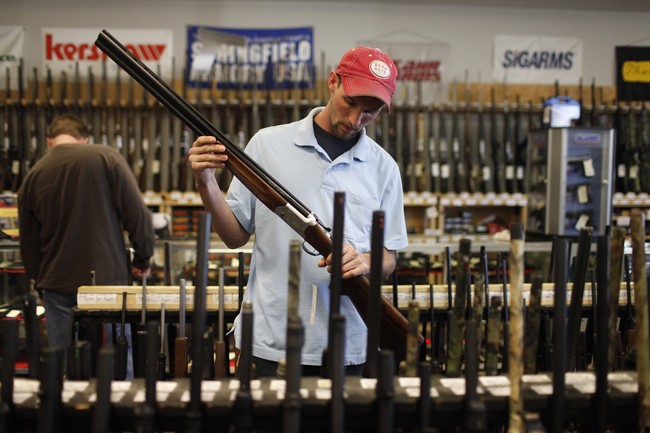
The gun store’s decision to stop selling certain “assault-style” rifles wasn’t a surrender; it was a calculated business move that exposed how little leverage the anti-gun crowd actually has when the market refuses to play along. Instead of celebrating a voluntary concession, activists immediately pivoted to demanding new state regulations that would force every other retailer to follow suit—proof that “common-sense” gun control is often just yesterday’s boycott dressed up as law. By treating one store’s inventory choice as a precedent rather than an outlier, lawmakers reveal the real game: use private decisions as cover to codify restrictions that the electorate would otherwise reject at the ballot box.
For the 2A community, the lesson is straightforward—retailers who flinch under social pressure hand regulators a ready-made template. Once a single business publicly distances itself from a product line, activists can argue the category is “already being phased out,” lowering the political cost of bans or registration schemes. That’s why industry groups are urging shops to coordinate messaging and legal strategy rather than cut individual deals; isolated retreats become collective defeats. The episode also underscores how fragile the post-Bruen landscape remains: even with constitutional carry expanding, the administrative state can still squeeze supply through licensing, insurance mandates, or “sensitive place” rules that never need majority support.
Ultimately, the story is less about one store’s conscience and more about the speed at which cultural skirmishes convert into statute. Gun owners who assume private commerce will remain a firewall are learning that every publicized withdrawal of merchandise invites the next round of legislation. Staying engaged at the regulatory-comment level, supporting retailers that hold the line, and documenting the bait-and-switch from boycott to ban are now as important as any range day or election cycle.


