

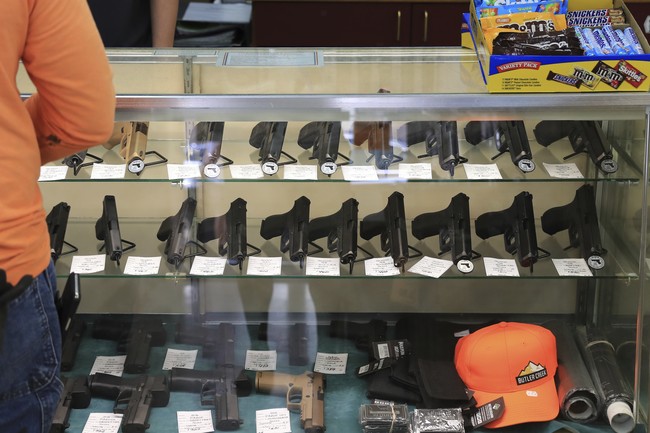
When politicians and bureaucrats move to restrict Glock ownership, they rarely anticipate the predictable backlash that follows. Instead of curbing access, these bans function as a massive, free advertising campaign that spotlights the very firearms they hope to demonize. The result is a surge in demand as law-abiding citizens rush to secure what they perceive—often correctly—as the next target on the regulatory hit list. Glock’s polymer-framed pistols have long been the default choice for concealed carriers and duty use alike, so any attempt to single them out instantly frames the debate as an attack on the most popular, proven defensive tools rather than some exotic “assault weapon.”
This pattern reveals a deeper strategic failure on the part of gun-control advocates: they consistently underestimate how prohibition rhetoric galvanizes the 2A community. Each new restriction becomes a teachable moment that drives first-time buyers into gun stores and longtime owners back to the range, reinforcing the understanding that rights must be exercised to be preserved. The sales spike also underscores Glock’s enduring market position; despite competition from SIG, Smith & Wesson, and others, the brand remains the benchmark, making any ban feel like a direct affront to mainstream American gun culture rather than a fringe issue.
For the broader firearms community, these episodes serve as both warning and rallying cry. They demonstrate that legislative threats can be converted into increased ownership, training, and political engagement, but only if owners treat every ban attempt as the opening move in a longer fight rather than an isolated inconvenience. The message is clear: when government tries to limit choice, the market and the electorate tend to respond by expanding it.


