

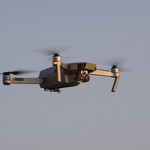
Georgia high schools are now field-testing drones equipped with non-lethal payloads—think pepper-spray canisters, flash-bangs, and dazzling lights—as a rapid-response layer against active shooters. The idea is simple: while law enforcement is still minutes away, an autonomous or remotely piloted drone can reach the threat in seconds, disorient the attacker, and buy precious time for students and staff to shelter or escape. Proponents call it a technological force-multiplier; critics call it an expensive gimmick that distracts from the harder conversation about who should actually be allowed to stop the threat with decisive force.
For the 2A community the deeper implication is unmistakable: every new “non-lethal” gadget introduced into schools is an implicit admission that the current policy of relying solely on delayed police response is failing, yet lawmakers still refuse to entrust trained, armed personnel already on campus with the tools to end the attack. Drones cannot effect an arrest, cannot pursue a fleeing shooter into stairwells or parking lots, and cannot substitute for the split-second judgment of a good guy with a gun. They are, at best, a stalling tactic—one that still leaves the final protective act to someone who must be both willing and legally permitted to use lethal force.
The larger trend is worth watching. If these drone programs proliferate, cash-strapped districts will inevitably face a false choice between spending millions on fleets of flying pepper-spray dispensers or simply removing the arbitrary gun-free zones that disarm the very adults charged with protecting children. The 2A argument has never been that technology is useless; it is that technology is no substitute for the fundamental right—and responsibility—of law-abiding citizens to defend themselves and others when seconds count and the police are still on the way.


