

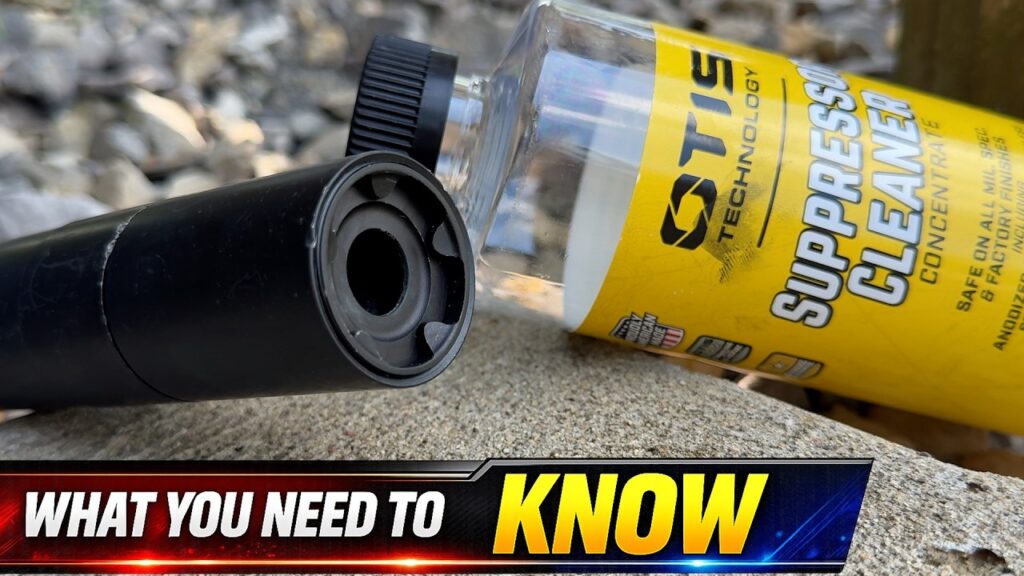
. After a solid decade of faithful service, one of my cans finally earned its trip to the spa, and the experience proved something the “tacticool” crowd often forgets: suppressors are remarkably low-maintenance tools that most owners obsess over far too early. The source video walks through the process with refreshing honesty, showing what actually matters (baffle alignment, carbon buildup in the blast chamber, and proper thread protection) versus the internet lore that has people disassembling and scrubbing their suppressors like it’s a monthly ritual. For the vast majority of shooters, especially those running quality .30 caliber or pistol suppressors on semi-auto rifles and handguns, a thorough cleaning every five to ten years is more than adequate. That reality should be music to the ears of anyone who actually uses their gear instead of just collecting it.
What makes this story relevant to the 2A community is the subtle pushback it delivers against the regulatory burden and maintenance myths that anti-gunners love to exploit. Every time a new suppressor owner panics about “carbon locking” or “baffle strikes” after a few hundred rounds, they feed the narrative that these devices are complicated, dangerous, and require constant federal oversight. In truth, modern suppressors from reputable manufacturers are engineered to run dirty for years while still delivering impressive sound reduction and virtually zero point-of-impact shift. The Otis kit used here, combined with an occasional ultrasonic bath for those who want to go the extra mile, proves that responsible ownership doesn’t require a chemistry degree or weekly range maintenance sessions. It’s another reminder that the NFA’s “tax stamp and wait forever” process is solving a problem that largely doesn’t exist for the average armed citizen.
The broader implication is clear: the more we normalize suppressors as practical hearing-protection tools rather than exotic James Bond accessories, the harder it becomes for legislators to justify keeping them behind the National Firearms Act wall. When everyday shooters see that a decade-old suppressor still functions beautifully with nothing more than a good solvent soak and some elbow grease, the mystique evaporates. That knowledge builds confidence, encourages more people to join the silencer revolution, and quietly strengthens the cultural case for treating suppressors with the same regulatory respect we give to optics and slings. Clean when it actually needs it. Shoot it often. And never apologize for protecting your hearing while exercising a right that should never have been taxed or delayed in the first place.


