

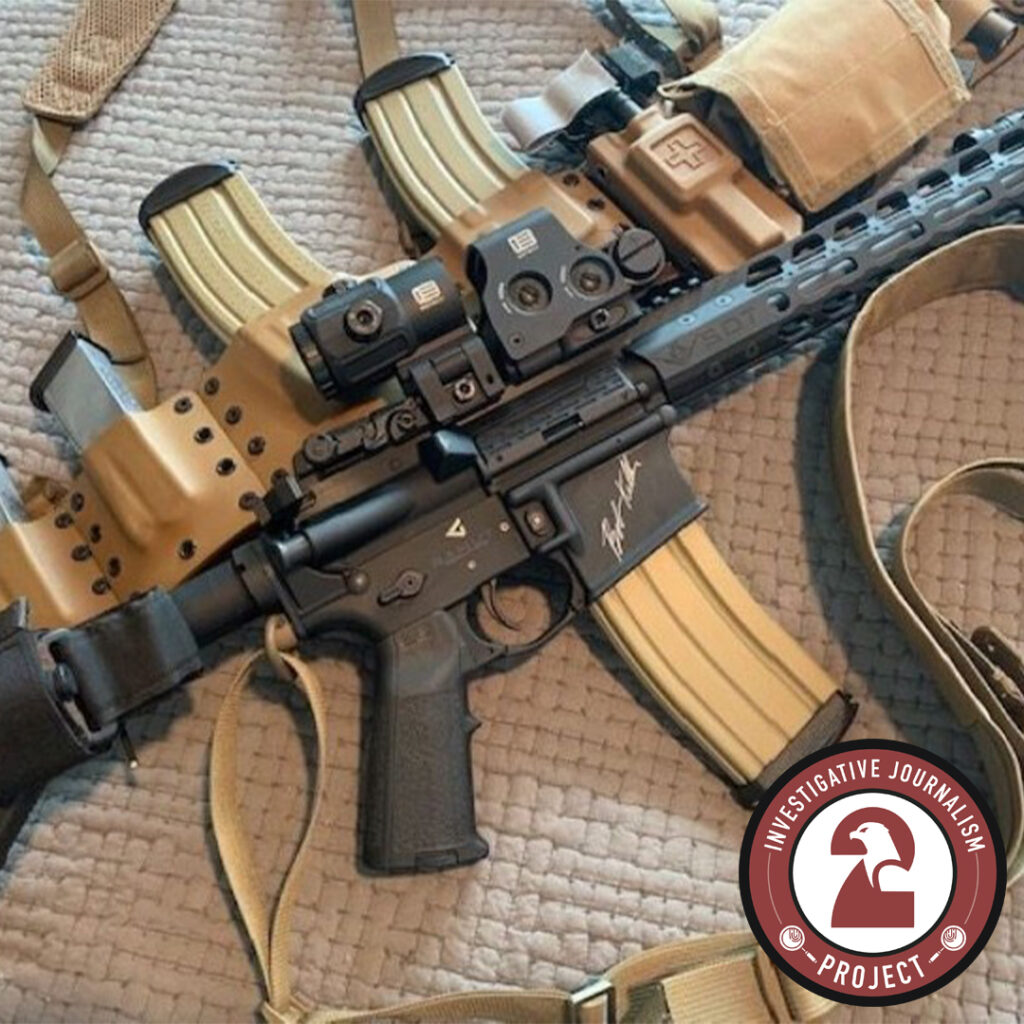
Everytown’s latest salvo isn’t a new piece of legislation or a flashy lawsuit—it’s a meticulously packaged “study” that recycles the same tired claim that the AR-15’s ergonomics and modularity make it uniquely dangerous. By focusing on aftermarket braces, adjustable stocks, and optics-ready rails, the group hopes to convince regulators that these commonplace features somehow transform a standard semiautomatic rifle into an unregulated machine gun. The tactic is clever: instead of attacking the rifle itself, they’re trying to criminalize the very accessories that make the platform customizable for different shooters, from left-handed competitors to smaller-statured home defenders.
What makes this approach especially insidious is how it reframes constitutionally protected conduct—owning and configuring a modern sporting rifle—as a public-health crisis that demands bureaucratic gatekeeping. If a pistol brace or an extended magazine release can be labeled a “weapon of war accessory,” then the same logic could be applied to red-dot sights, ambidextrous controls, or even the simple act of adding a sling. The 2A community has seen this incremental playbook before; each redefined term becomes precedent for the next restriction, steadily shrinking the space in which lawful gun owners can exercise their rights without first seeking permission slips from agencies hostile to those rights.
The practical takeaway is that manufacturers, trainers, and everyday carriers need to treat component-level policy fights with the same seriousness once reserved for outright bans. Every time Everytown succeeds in reclassifying a stock or a brace, it creates downstream effects on product availability, insurance rates, and the ability of instructors to teach standard defensive techniques. Staying ahead of these redefinitions—through rapid public comment, state-level legislation protecting “common configurations,” and continued innovation that keeps legal firearms adaptable—remains the most effective counter to a strategy designed to disarm by a thousand regulatory cuts.


