

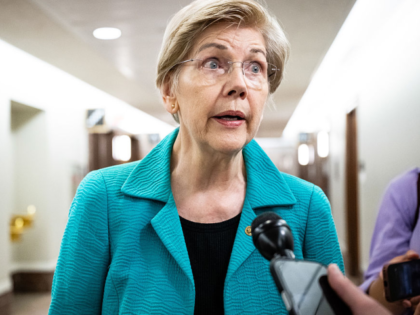
Elizabeth Warren’s endorsement of Abdul El-Sayed isn’t just another primary-season photo-op; it’s a signal that the Democratic Party’s progressive wing is doubling down on candidates who view the Second Amendment as an obstacle rather than a cornerstone of liberty. El-Sayed’s record shows consistent support for assault-weapon bans, universal background checks, and red-flag laws that bypass due process—positions that would further shrink the pool of legally owned firearms in Michigan and set precedents other blue states would eagerly copy. Warren’s framing of him as the “grassroots” choice masks the reality that these policies are top-down mandates pushed by coastal donors and activist networks, not organic demands from rural or working-class gun owners.
For the 2A community, the pairing is a reminder that electoral fights are no longer confined to Congress or the White House; they now extend to state-level races where single-issue gun-control candidates can quietly reshape permitting, magazine capacity, and carry laws. Michigan’s large rural and suburban gun culture has historically acted as a firewall against the most extreme proposals, but an energized progressive primary base could flip legislative priorities overnight. If El-Sayed wins the nomination and the general, expect renewed pushes for licensing schemes and expanded “sensitive places” restrictions that treat lawful carry as presumptively suspect.
The broader implication is strategic: gun owners cannot afford to treat Senate primaries as someone else’s problem. Every endorsement like Warren’s recruits new legislators who will vote on ATF funding, Supreme Court nominees, and interstate commerce rules that determine whether your next rifle or magazine even reaches your FFL. Staying engaged at the state level now is the only way to keep Michigan—and ultimately the nation—from sliding further into the regulatory model already choking rights in California and New York.


