

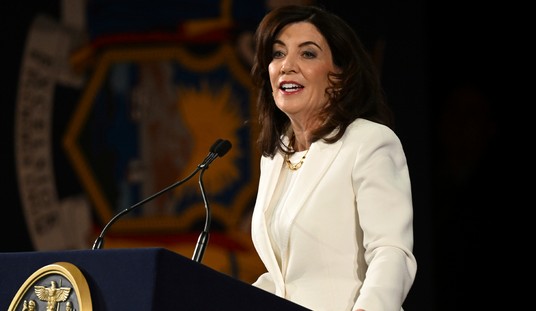
Kathy Hochul’s much-touted “initiatives” are being sold as the reason New York’s violent crime numbers dipped, yet the data tells a more complicated story that gun owners should watch closely. While the governor’s office credits expanded background checks, red-flag expansions, and new carry restrictions, independent analysts note that the largest drops in shootings occurred in cities that quietly increased proactive policing and federal prosecutions—tactics that don’t require stripping law-abiding citizens of their rights. The timing also matters: many of these crime reductions began before Hochul’s signature bills took effect, suggesting the drop may owe more to post-pandemic normalization and targeted enforcement than to magazine bans or permit-to-purchase schemes.
For the 2A community the real takeaway is that anti-gun politicians will claim credit for any statistical improvement, then use that narrative to push the next round of restrictions. If Hochul can market modest, uneven declines as proof that gun control works, expect Albany to double down on sensitive-location rules, ammunition serialization, and further restrictions on semi-automatic rifles. Gun owners in neighboring states should treat this as a warning shot: once a narrative takes hold that “our laws reduced crime,” it becomes politically difficult to roll them back even when the evidence is thin.
The smarter play is to keep highlighting the jurisdictions where crime fell fastest without new gun laws—places that focused on career criminals rather than on the licensed carry community. By documenting which policies actually correlate with safer streets, pro-2A advocates can blunt the inevitable “New York model” sales pitch that will echo in other statehouses next session.


