

Demetrio Daga’s indictment is a textbook example of how New York’s patchwork of gun-control statutes can turn an otherwise law-abiding citizen into a felon without ever alleging violence or even a victim. The state’s 15-count charging document rests entirely on the possession of parts and firearms that, under federal law and in 40-plus other states, would be unremarkable; yet in New York the same items trigger felony exposure measured in decades. What makes the case especially chilling is the absence of any articulated predicate—no domestic call, no prohibited-person status, no trafficking allegation—leaving observers to wonder whether the investigation began with a fishing expedition through shipping manifests or an algorithm that flagged “suspicious” online purchases. For the 2A community, the takeaway is immediate: every lower receiver, every magazine, every threaded barrel bought across state lines now carries a hidden jurisdictional trip-wire that prosecutors can spring years later.
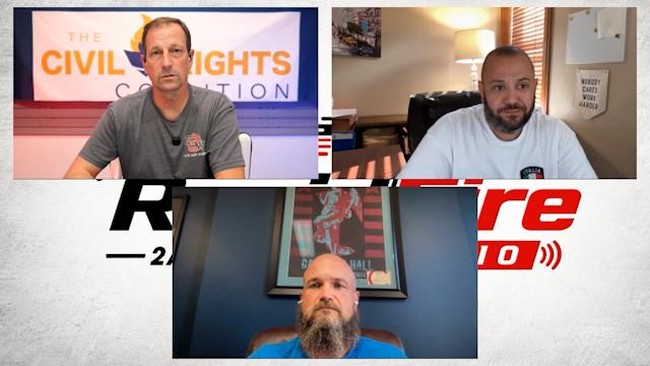
Equally troubling is the investigative opacity the defense team highlighted on RapidFire Radio. Surveillance logs, warrant affidavits, and the initial tip—if one even existed—remain largely sealed or redacted, depriving both the accused and the public of the ability to test whether the state satisfied even its own minimal thresholds. That lack of transparency converts what should be an adversarial process into an administrative one, where the government’s theory of the case is accepted on faith and the defense is left to litigate in the dark. Gun owners who assume that “if I’m not a prohibited person, I’m safe” are discovering that New York’s statutory scheme can criminalize the very act of assembling a compliant firearm from individually lawful components.
The broader implication is a chilling effect on interstate commerce and hobbyist activity that extends far beyond Daga’s individual fate. If buying a stripped lower or an 80-percent frame can be spun into a multi-count indictment, the practical result is a de-facto registration regime enforced not by paperwork but by the threat of felony prosecution. Law-abiding citizens will either self-censor their purchases or migrate entirely to in-state, brick-and-mortar transactions that leave a shorter digital trail—outcomes that do nothing to advance public safety but do everything to burden the exercise of a constitutionally protected right. Until courts or legislatures confront the due-process deficits embedded in these statutes, every online order placed from the Empire State will carry an asterisk: “Buyer beware—your next parts kit could be someone else’s exhibit A.”


