

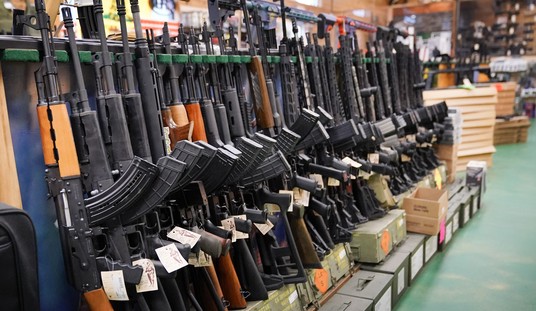
Colorado’s latest gun-control push isn’t about public safety; it’s about carving the public into favored and disfavored classes. Lawmakers who once swore an oath to the entire citizenry now treat law-abiding gun owners as second-class constituents whose rights can be trimmed whenever the political winds shift. The result is a two-tier system in which the politically connected keep their security details while ordinary Coloradans are told to rely on slower police response times and ever-tightening restrictions on the very tools that could level the playing field.
This selective service has immediate, practical consequences for the 2A community. Every new magazine ban, red-flag expansion, or “sensitive place” designation chips away at the ability of rural and suburban residents to protect themselves during the minutes—or hours—it can take for law enforcement to arrive. More importantly, it signals that government actors view the Second Amendment not as an individual right but as a privilege doled out according to political utility. That mindset travels: if Colorado can decide whose self-defense needs matter, other states watching the experiment will be tempted to follow suit.
For gun owners, the takeaway is clear—elections and lawsuits remain the only reliable checks on officials who forget they serve everyone. Grass-roots pressure, state-level preemption fights, and continued support for groups willing to litigate these unequal protections are no longer optional; they are the difference between a right that applies to all citizens and one that exists only on paper for the politically acceptable.


