

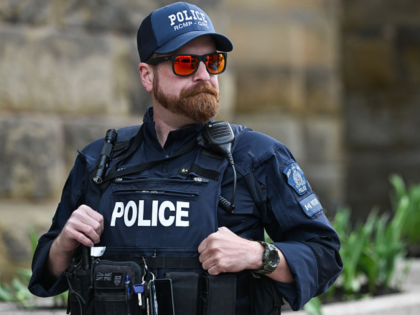
The RCMP’s own tracing data quietly dismantles the favorite talking point that American gun stores are flooding Canada with crime guns. When Canadian police recover firearms used in shootings or found at crime scenes, the majority trace back to Canadian manufacturers, importers, or previously registered domestic firearms that were later stolen or diverted. That single fact lands like a hammer on the narrative that blames U.S. border traffic for Canada’s rising gun violence, especially since Canada already maintains one of the strictest licensing and registration regimes in the Western world.
For American gun owners watching the same rhetoric play out south of the border, the Canadian numbers serve as a live demonstration of what happens when a government doubles down on controls without addressing the actual pipeline: theft, straw purchases inside the country, and the simple reality that criminals ignore paperwork. The data also highlights how quickly “common-sense” measures such as registration can become liabilities once records are breached or firearms are stolen from law-abiding citizens who followed every rule. Instead of prompting Ottawa to re-examine its confiscation schemes and storage mandates, the report is likely to be spun as further proof that even more restrictions are needed—an approach that has already produced longer wait times for legal owners while violent offenders continue sourcing guns locally.
The takeaway for the 2A community is straightforward: every new Canadian restriction that fails to reduce crime while punishing legal owners supplies fresh evidence that source control, not geography, determines whether guns reach criminals. Lawmakers on this side of the border who push magazine bans, registration, or expanded background-check schemes would do well to notice that Canada’s experiment is running in real time and producing the opposite of the promised results.


